How to Plan a Corporate Retreat in Vietnam | Zen Vacation
Sooner or later, most HR teams hear the same request: let's organize a retreat. What follows is rarely simple. A corporate retreat in Vietnam can be genuinely restorative, but only when it is planned well around the people attending rather than around a destination or a hotel.
The case for doing it well has rarely been stronger. The WHO and ILO estimate that around 12 billion working days are lost every year to depression and anxiety, at a cost to the global economy of close to US$1 trillion. Time away from the daily rhythm of work, with room to rest and reconnect, is one of the ways a company can respond. Travelers are moving in the same direction: the Global Wellness Institute valued wellness tourism at about US$894 billion in 2024, with Asia-Pacific recording more than 500 million trips.
Vietnam is well placed to welcome them. The country offers mountains, coastline, rivers, islands and heritage towns within a single journey, along with wellness traditions rooted in local culture rather than imported from elsewhere.
This guide follows the order in which most planners need to make decisions: who the retreat is for, what it should achieve, how to set a realistic budget, where to go, how to shape the experience, which logistics to settle early, and how to choose the right local partner.
Start With Who the Retreat Is For
Before choosing a destination or a single activity, a planner needs to be clear about one thing: which group inside the company this retreat is for. It sounds obvious, yet it is the decision that shapes almost everything that follows, from how many days the trip needs to the kind of place where people stay. A retreat designed for one group rarely works for another, which is why the same program should never be offered to every team.
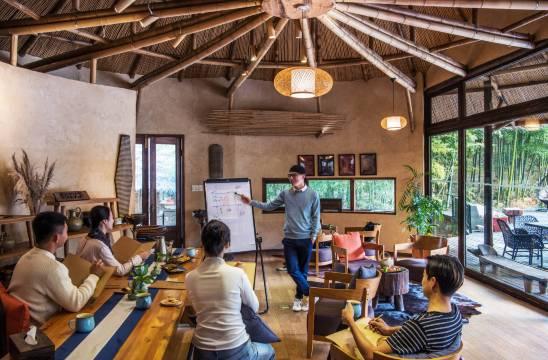
Take a department or project team. These are people who already know each other, often after a stretch of deadlines, restructuring or heavy workload, and what they usually need is a real change of setting. Time away from the office lets them recover from a demanding period or reconnect after a transition, without the habits and pressures of the daily workplace following them. The rhythm can be shared and social, with meals together, time outdoors and experiences they can talk about long after they return.
A leadership team is a different case. The group is smaller, and what matters most is privacy, calm and a higher standard of quality, in where they stay, in the service they receive and in the pace of the days. Senior people often value space and quiet over a full schedule of group activities, so the retreat is built around stillness and depth rather than energy.
Beyond the type of group, a few details deserve attention early. Group size determines which venues are realistic. Seniority and how well people know one another shape how open the atmosphere can be and how activities should be introduced. Age and physical ability matter when planning walks, outdoor sessions or early starts. For international companies, cultural background influences everything from how people prefer to rest to what they like to eat. And special needs, such as vegetarian diets, allergies or limited mobility, are far easier to design around from the start than to fix later.
Once the group is clear, the purpose usually follows, but it is worth naming deliberately. Choose one main purpose and let any others play a supporting role, since trying to rest, bond, reward and impress all at once tends to produce a program that does none of them well. A simple test is to ask what you want people to feel when they return, and what should be different when they walk back into work.
With the group and the purpose clear, the next question is a practical one: how much to invest.
Set a Realistic Budget
A budget is worth setting early, because it decides how long the retreat can be, what kind of place the group stays in and how far it can travel. It helps to think in two parts, starting with the biggest one: where people sleep. Accommodation is usually the largest share of a retreat budget, and for a comfortable, well-run retreat setting in Vietnam it often sits at around US$100 per person per night, give or take depending on the destination and the season. Everything else is built around it.
The second part is what turns a stay into a retreat. Transfers, guides, local experiences, meals, instructors and the wellness activities themselves each carry their own cost, and together they shape how the days feel. The aim is balance rather than economy. A beautiful stay with thin experiences leaves the group with a comfortable hotel and little to remember, while rich experiences in a poor setting make it hard to truly rest. When the budget is shared so that the quality of the stay and the quality of the experiences support each other, the retreat feels complete.
Vietnam adds a few practical details that are easy to overlook. The Lunar New Year holiday and the national holidays push prices up and fill the best venues early, and the distance between destinations means a domestic flight or a long road transfer can quietly add to both cost and travel time. Boutique wellness properties often have a limited number of rooms, so a larger group may need to book well in advance.
Keeping some flexibility also helps. Choosing a destination that is easy to reach keeps transfer time and cost under control, and a modest buffer for last-minute changes avoids difficult decisions later. With a budget range in mind, the choice of destination becomes far more realistic, which is the next step.
Choose the Right Destination in Vietnam
Vietnam offers a wide variety of landscapes, from the limestone scenery and mountains of the North to the beaches and heritage towns of the Central coast, the river life of the Mekong Delta and the islands off the southern coast. This variety is a strength, but it also makes the choice harder, because the right destination is rarely about the place alone. It is about how well a place supports the retreat the group actually needs.
A useful way to look at a destination is through what it can offer around the idea of the retreat. The landscape sets the mood, whether that is the openness of the sea, the stillness of the mountains or the slower rhythm of a river. It also shapes which wellness activities come naturally, and what kind of time in nature is possible. The accommodation determines how much privacy and comfort the group has, and whether there are suitable spaces for people to gather. And the local culture, from food and crafts to traditions and communities, offers experiences that can be woven into the days so the retreat feels rooted in a real place.
It is also worth avoiding fixed rules about which kind of group belongs where. What matters is the purpose of the group and what its members need, the budget and the same destination can be shaped into very different retreats depending on the answers. This is where local expertise helps most: starting from who is going and why, building a concept around it, and advising on which place, which stay and which experiences fit best.
Practical details still count. Access matters, since a long transfer eats into the time people came to enjoy, and weather varies by region, with a cooler winter in the North, a rainy season along the Central coast later in the year and a clear dry season in the South, so the time of year and the destination are best considered together. With the concept in mind rather than a destination fixed in advance, the next question is what the days there should actually look like.
Shape the Format and Plan the Right Experiences
Once the group, the purpose, the budget and the destination are clear, the corporate retreat itself begins to take shape, and the first decision is its format: how many days it lasts, how those days are paced, and how much is shared versus left open. Our recommendation for a retreat in Vietnam is a minimum of five nights. Much of the first day is spent arriving and unwinding, and a longer stay gives the group room to settle, truly rest and let the experience deepen rather than feeling rushed.
The rhythm of each day matters as much as the length. A good retreat leaves space between activities. A retreat program packed from morning to night defeats the purpose, however good each activity may be on its own.
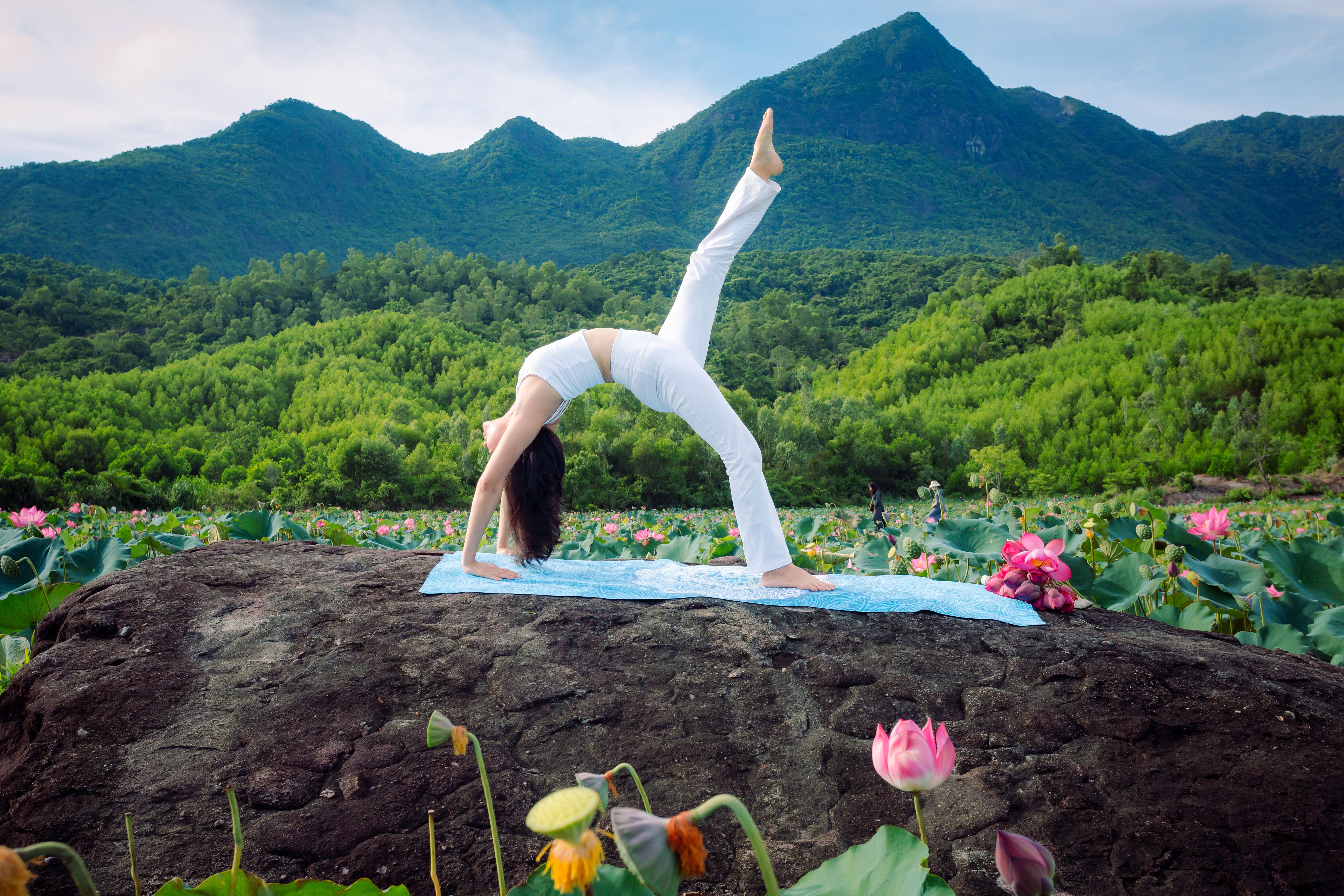
The experiences themselves are best chosen to fit the group and its purpose, with wellness at the core. The practices such as Yoga, meditation, Qi Gong, spa treatments and healthy local cuisine give the days a calm foundation. In Vietnam, many of these practices are taught with roots in local culture: the lessons may feel familiar to anyone who knows meditation, yoga, but the teaching and content draw on Vietnamese traditions, so the experience reflects and inspires rather than feeling imported.
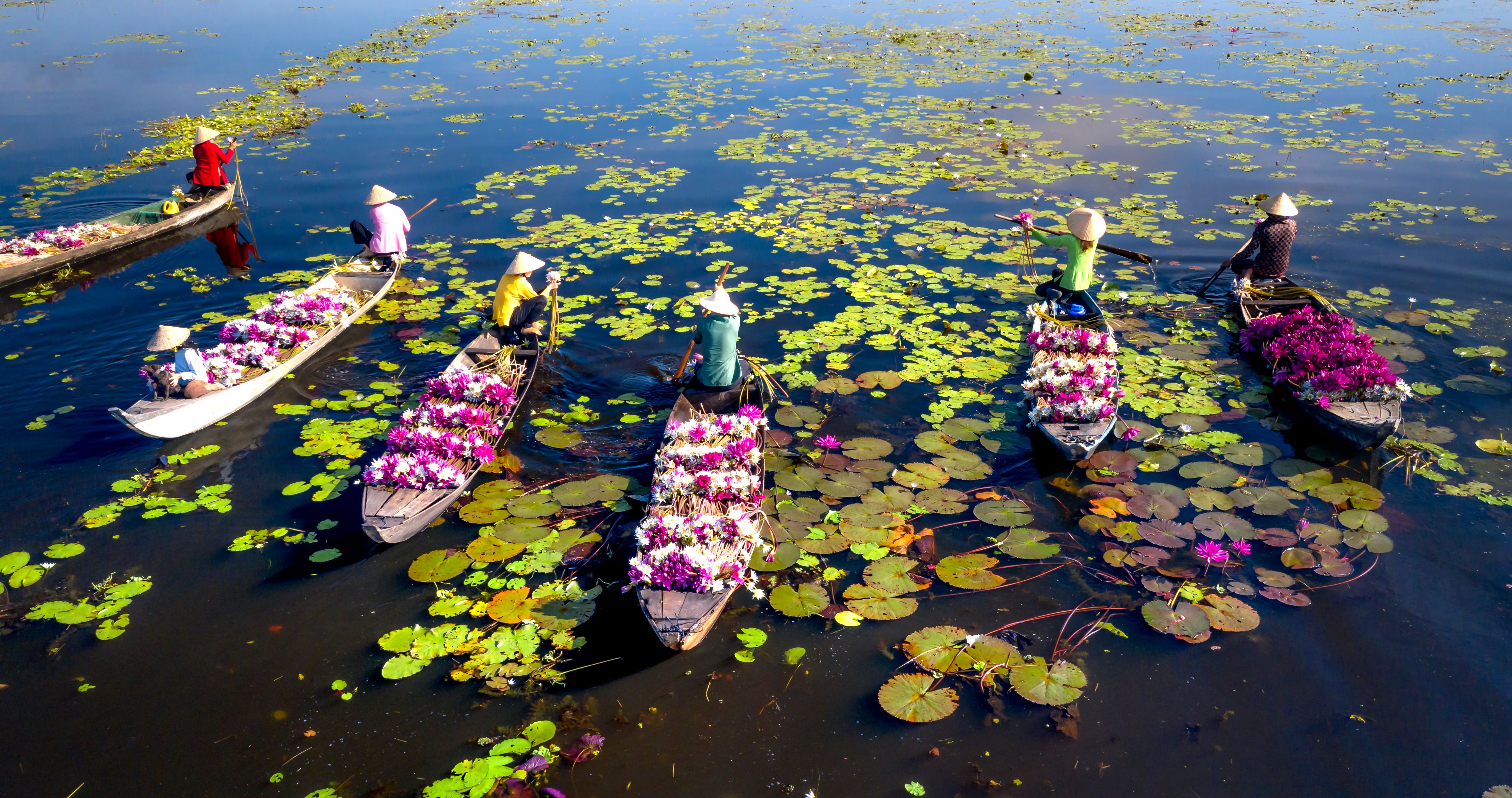
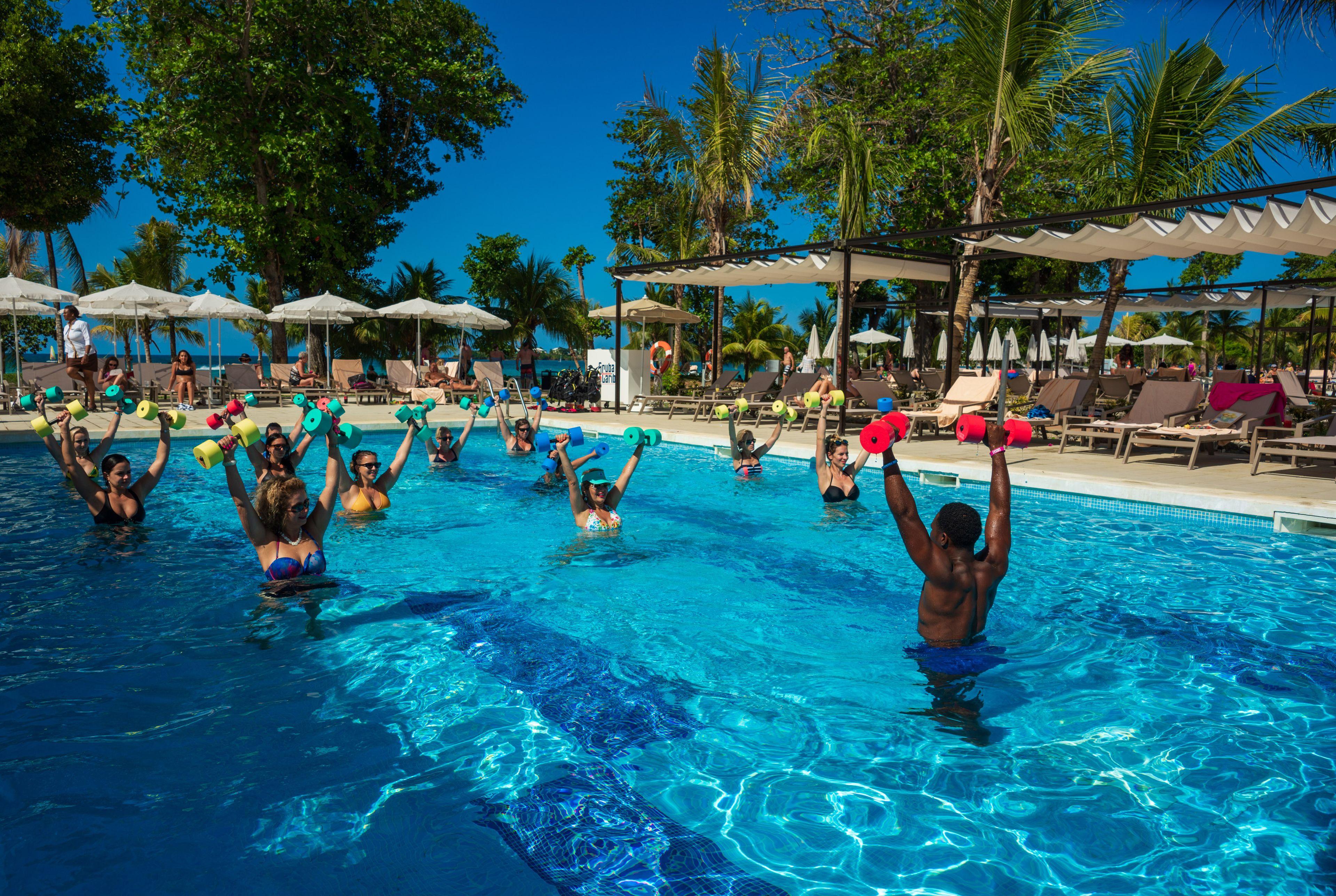
Around that core, a retreat gains depth from culture and nature. A cooking class, a visit to a craft village, time with a local community or a quiet boat ride or walk through the landscape each give the group something to share and talk about afterwards, and they help the retreat feel tied to a real place. Choosing local teachers, makers and community-run experiences keeps those moments authentic and supports the people who live there. The balance between active and calm matters too, and offering a few choices lets people of different ages and abilities take part comfortably. Even the closing of the retreat can be simple and personal, such as a shared meal or a reflective evening, rather than a formal wrap-up.
Consider Logistics Early
Good logistics show up in a retreat, and that is exactly the point. When everything runs smoothly, people experience a few calm days, and when it does not, the whole group feels it. For a corporate retreat in Vietnam, a handful of items are worth settling early, well before the program itself is finalized.
The first is dates and accommodation. Properties that suit groups often have a limited number of rooms, so fixing the dates and confirming the stay as soon as the headcount is clear leaves far more choice, while late changes are much harder to manage. For international participants, visa and entry requirements should also be checked early, since they depend on nationality and can take time to arrange.
Next come the flights. Domestic flights within Vietnam fill up quickly around holidays and busy periods, so tickets for the group are best booked early, ideally together, so that arrivals and departures line up with the program.
Then there are the people who bring the experience to life. Guides and instructors are in demand in peak season, and special programs often call for specific expertise, so it is wise to book guides early, and to reserve instructors in advance when the program needs them.
Finally, the activities themselves deserve careful preparation, from the venue and timing to the equipment and the number of people involved. Thinking each one through leaves room to respond if something unexpected happens, with an alternative ready rather than a scramble. This kind of retreat planning lets the group enjoy the retreat without noticing the effort behind it.
Many of these details come down to knowing who to call and when, which is where the right local partner makes the biggest difference.
Let a Local Partner Walk Through It With You
Every step in this guide becomes easier with someone beside you who knows both your team and the destination. A local partner can take what you have shared about who is going and why, and turn it into a concept that fits: where to stay, what to experience, how the days should flow and what needs to be arranged behind the scenes. This is what a good corporate retreat DMC is for, and it is often where a corporate retreat in Vietnam goes from a good idea to a retreat people remember.
Some qualities are worth looking for. Local knowledge comes first, from choosing the destination and the stay to understanding the pace and rhythm of the days, how long transfers really take, when traffic builds, which restaurants suit the mood and which partners can be trusted to deliver. Genuine wellness expertise matters just as much, meaning a team that includes people who practise and teach wellness themselves, rather than simply adding a yoga class to the schedule. It also helps when a partner designs around your group instead of offering the same program to everyone, cares about authentic experiences and supporting local communities, and has a dedicated team that stays with you from the first conversation to the last day, ready to adjust when plans change.
At Zen Vacation, wellness is part of our everyday work, with around 80% of the tours we operate each day including a wellness element, and a team that includes wellness experts and teachers. We would be glad to hear about your team and what you hope the retreat will bring, and to shape something that feels right for you. Get in touch with us to start the conversation. booking@zen-vacation.com
Related articles
.jpg)