.jpg)
Luxury Mekong Cruise: What to Look For | Zen Vacation
Vietnam has never been busier. According to Vietnam's National Statistics Office, the country welcomed nearly 21.2 million international visitors in 2025, up 20.4 percent on the year before and 17.8 percent above 2019. Growth has continued into 2026, with nearly 16 million arrivals in the first eight months, up 14.4 percent. Looking ahead, a national tourism programme issued by the Government targets 45 to 50 million international arrivals by 2030.
The Mekong is feeling that momentum. According to Cruise Passenger, river cruise operators are reporting that bookings for 2026 are outpacing 2025, Mekong itineraries are selling out quickly, and several lines are building and launching new vessels for the river. More choice, however, does not make the decision easier. A Mekong cruise can be one of the most memorable parts of a Vietnam journey, and one of the easiest products to get wrong. "Luxury" is a label that appears on vessels with very different cabins, crew, routes and operating standards, and the differences only become obvious once your client is on board. The choice of vessel, route and season shapes the whole journey, which makes careful selection matter.
This guide is a practical framework for evaluating a luxury Mekong cruise before you put it in a proposal: what to check, what to ask, and how to match the right product to the right client.
Route and Itinerary
A Mekong cruise is shaped as much by its pace and route as by the ship itself. Before looking at the vessel, consider the route and how much time your clients can enjoy the river. Two cruises on the same river can feel completely different. It depends on how far the route goes, how many nights guests spend on board and how much time each stop is given. Broadly, there are two types: short cruises within Vietnam, usually 2 to 3 nights. A taste of the delta: floating markets, canals and village life. Longer cruises between Vietnam and Cambodia (Phnom Penh or Siem Reap), typically 7 to 10 nights.
Both have their place, but when your clients are looking for a luxury experience, we recommend the longer journey, ideally 7 nights. The main reason is that it creates space to unplug. Two or three nights is enough to settle in, while seven is enough for your clients to truly switch off. Once they do, the pace allows the experience to go deeper: there are fewer rushed stops and more time to linger, ask questions and simply sit on deck. That slower rhythm also leaves room for meaningful local experiences, so visits to communities, markets and temples become real conversations rather than photo stops. And that is where the journey can become transformative. Guests are rarely changed by a quick sightseeing loop, but they often are by slowing down. When you compare options, look beyond the ship itself and ask how the route is paced. It is often the clearest sign of how a cruise will feel.
Beyond the length of the journey, pay close attention to the stops along the way. Docking points are set by each country's waterway regulations, so every cruise is limited in where it can stop, but a well-designed itinerary still makes the most of those stops by offering variety. A good journey blends culture, nature, food and time with local communities, rather than repeating the same kind of experience. That balance keeps every day feeling fresh and gives guests a fuller picture of the Mekong. Just as important is how the land tours are run. Some cruise lines purchase or outsource land experiences through third-party operators, while others operate their own excursions. We would always lean toward the second option. A tailored land tour is private and unique, because it is unlikely to overlap with the combined programs that other cruises run on the same stretch of river. It also gives the cruise far better control over the experience, so the quality feels more refined than if it were borrowed from someone else's itinerary. And because the team owns the program, it is much easier to adjust the timing, pace or content to suit the group on board.
It is also worth remembering that the Mekong is a living river, and its water level changes with the seasons. As a result, some stretches or stops may be adjusted depending on when your clients travel, and the itinerary will naturally differ from one season to the next. This is not a drawback. A well-run luxury cruise has its own charm in every season, whether that means lush green banks and full waterways in the high-water months or a different rhythm of village and riverside life when the water recedes. Rather than asking whether there is a "best" time, it is more useful to ask how the cruise shapes its itinerary around the season, so that each journey feels thoughtfully designed instead of simply rerouted.
Finally, many clients will want to add a few days before or after the cruise, perhaps Vietnam extension, or in Angkor to close the journey with Cambodia's most iconic sights. Many cruise lines offer these pre- and post-cruise extensions as ready-made packages, which are convenient but come with limits. Fixed packages rarely work in favor of the budget, and they leave little room to choose. A tailored extension is a different story. It lets your clients stay in the hotels they actually want and add customized excursions that match their interests, so the days on land feel as considered as the days on the river. When the whole trip is designed as one continuous experience, the cruise becomes the heart of the journey rather than a standalone product. You can explore some of our Grand Mekong Cruise for your reference.
.jpg)
The Vessel
For a luxury journey, the ship is not just a way to get from one place to another. It should be a boutique hotel floating on the river, and your clients will spend a great deal of time in it, so it is worth looking closely at how it is built.
Start with the size of the ship, and in particular the number of cabins. A ship with fewer cabins carries fewer guests, which naturally means more privacy, more personal service, quicker transfers ashore and less waiting. Of course, balance matters. A vessel that is too large can turn the experience into following a group, while one that is too small may limit the shared spaces. The ideal is a ship with generous overall space but only a small number of cabins, so every guest feels they have room to breathe.
That sense of space should continue inside the cabin. On a journey of around seven nights, the cabin is where guests spend the most time, so its size and layout matter far more than on a short cruise. It should be spacious enough for two people to feel truly comfortable, with a bed large enough for Western guests. A private balcony or large glass doors make an even bigger difference, because they let guests live alongside the river, which is what sets a cruise apart from a standard hotel. For the balcony to feel truly private, it should not sit on a shared walkway used by other guests, so that your clients can enjoy their own space without being on show.
Beyond the cabin, look at the shared spaces, such as the sundeck, lounge, restaurant, bar and wellness areas. What matters is not the length of the list but whether there is enough room for guests to find a quiet corner of their own. An amenity that exists but feels crowded no longer feels luxurious, so the amount of space per guest says more than the amenities themselves.
Finally, consider the design and the overall feeling on board. Luxury travelers often look for a sense of place, so it helps when the ship reflects local identity through its materials, colors and art instead of a generic international interior. At the same time, good design should be practical, with comfortable corridors, safe stairs and easy movement for older guests.

.jpg)
Service and Crew
On a boutique ship, service is what guests remember most. Besides of cabins and decor, the people also shape how the journey feels. For a luxury cruise, good service is not about being showy. It is about being attentive at the right moment and stepping back at the next.
A good place to start is the ratio of crew to guests. A higher ratio means more personal service and less waiting, and it fits naturally with a ship that has a few cabins, because each guest receives more attention. Numbers alone, however, do not tell the whole story. What matters just as much is the quality of the team: how well they are trained, how comfortably they communicate in English, and how well they read a situation and act before being asked. A crew that has worked together for years usually delivers a more consistent experience than one that changes every season.
The same applies to the guides who lead the experiences ashore. A knowledgeable storyteller who understands local culture and history can turn a simple stop into a memorable moment. And when the team knows the program well, as in the land tours mentioned earlier, they can adjust it easily to suit the guests on board.
Service also becomes more meaningful when it reflects where the journey takes place. The welcome on board is a good example. Imagine arriving at the ship and finding the whole crew in matching uniforms, lined up on both sides of the gangway, greeting each guest with palms pressed together in a traditional gesture. It is a small moment, but it says a great deal. It feels warm and genuine rather than scripted, and it tells guests from the very first minute that they have arrived in Vietnam and Cambodia, not in a generic international hotel. That sense of place can continue throughout the journey, in the way meals are introduced, the way local customs are explained, and the way the crew shares a little of their own culture.
Finally, the best service is personal. Remembering a guest's dietary needs, marking a special occasion such as an anniversary or honeymoon, and handling a request without being reminded are the details that make clients feel known. It should also be discreet, present whenever it is needed and quietly in the background when guests want to be left in peace.
Dining and Culinary Experience
Food is one of the most memorable parts of any journey, and on a river cruise it takes on an even bigger role. Over seven nights, meals become the rhythm of the day, and your clients will sit down to eat many times. That makes the dining experience far more than a convenience. It is a chance to taste the destination.
The first thing to look at is how much the menu reflects the place. A strong luxury cruise celebrates the flavors of locals (Vietnam and Cambodia) rather than offering a generic international menu. Fresh river fish, tropical fruit, regional herbs and dishes with a story behind them let guests discover the Mekong through taste as well as sight. This does not mean leaving Western favorites behind. The best kitchens offer both, so every guest finds something they enjoy while still being invited to try something new.
Quality matters just as much as variety. Fresh, carefully chosen ingredients, ideally sourced from local markets and producers along the way, make a visible difference on the plate. It also connects the dining table to the journey itself, since guests may visit the very market or village that supplied part of their dinner. For clients who care about responsible travel, that link between kitchen and community adds real meaning.
Flexibility is another sign of a thoughtful team. Dietary needs, allergies and personal preferences should be handled quietly and with care, without guests having to explain themselves at every meal. The same goes for the setting. A memorable dinner on deck at sunset, a private table for a special occasion or a hands-on cooking session with the chef can turn a good meal into a highlight of the trip.
When these elements come together, the dining experience stops being a separate service and becomes part of the story of the journey, one that your clients will keep talking about long after they return home.
Onboard Experiences and Wellness
On a long-night journey, your clients will spend more time on the ship than on shore, so it is worth asking how that time is used. On some cruises it is simply a pause between excursions. On the best ones, it is a meaningful part of the journey in its own right.
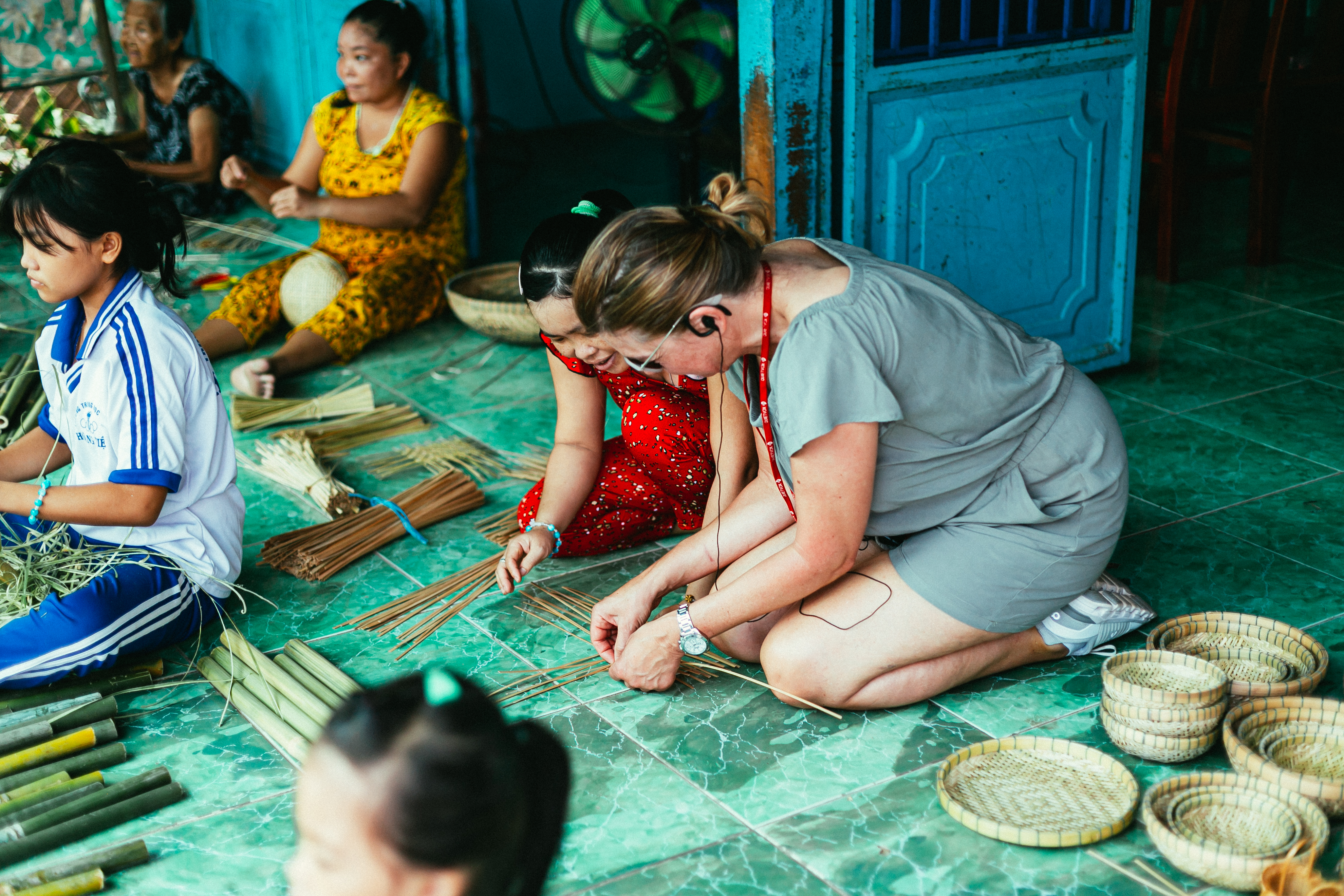
The first sign of a thoughtful program is that the activities on board belong to the place. A talk about the history and daily life of the river, a hands-on workshop led by a local craftsperson, a traditional music or dance performance, or a quiet evening on deck watching the stars come out all help guests feel they are in the Mekong, not in a generic floating resort. This echoes the sense of place found in the service and the food, and it keeps the experience consistent from the moment guests step on board.
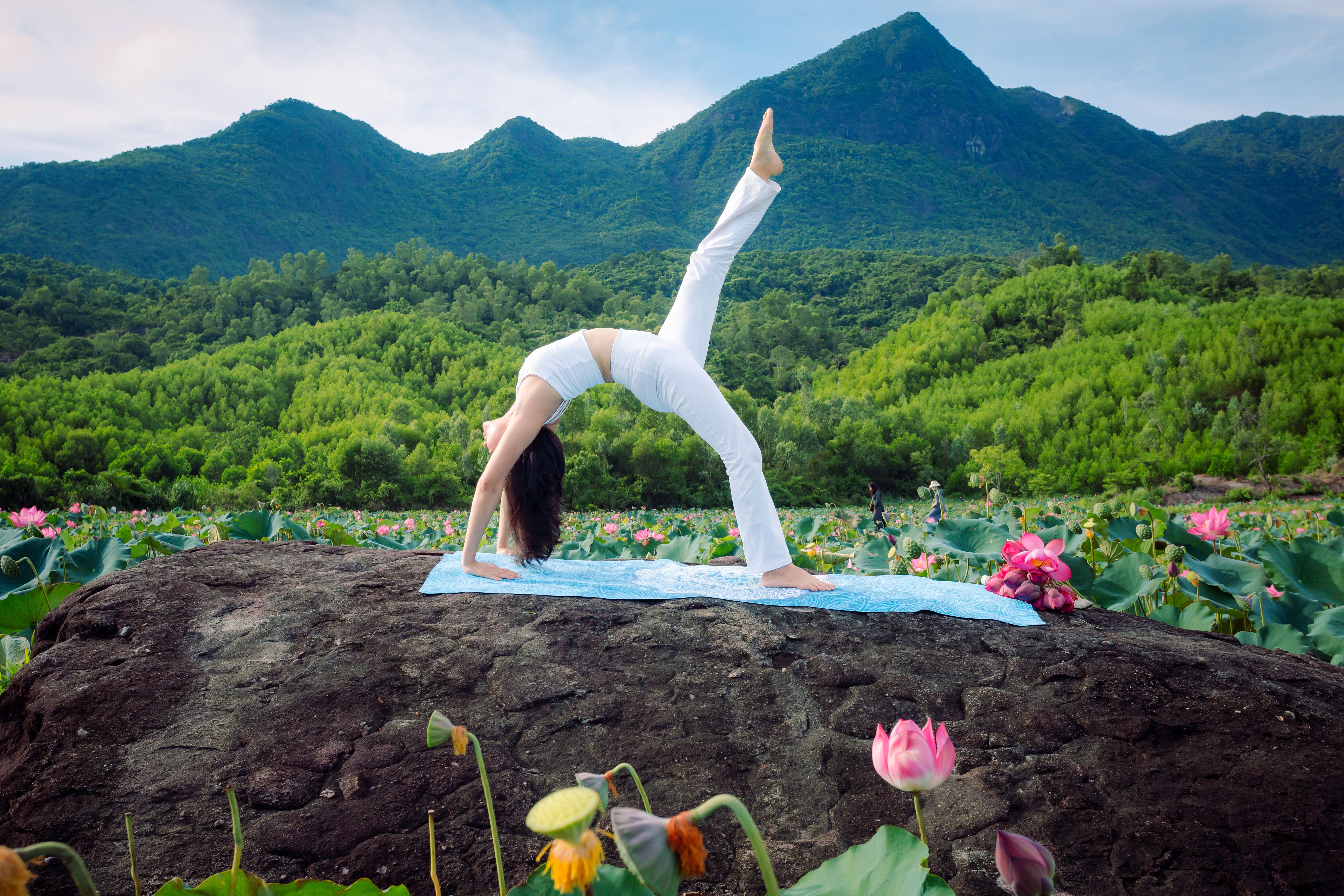
Wellness deserves particular attention, because the river is a natural setting for it. A gentle yoga or meditation session on the upper deck at sunrise, a few minutes of breathing practice as the ship glides past rice fields, or a massage in a calm, private space can make the slower pace feel restorative rather than empty. What separates a real wellness offering from a spa menu is how well it is woven into the rhythm of the day. When light meals, rest and movement all support each other, guests do not feel they are "doing wellness." They simply feel better. The people who lead these sessions matter just as much as the activities themselves, since an experienced teacher or therapist can turn a simple practice into something guests remember.
Equally important is the space between activities. Not every guest wants a full schedule, and too many programs can undermine the very feeling of unplugging that a long cruise offers. A good program therefore leaves room for choice, so one guest can join a morning class while another reads on the deck with a cup of tea. It should also work for different kinds of travelers, whether couples, families, friends or solo guests, without making anyone feel out of place.
When it is done well, this is where the journey gains its depth. The excursions show guests the river, but the unhurried hours on board are what allow them to absorb it. That is what turns a beautiful cruise into one that stays with them long after they have returned home.
Responsible Travel
Luxury clients increasingly care about what their trip leaves behind for the places they visit. Over seven or ten nights, a ship becomes part of daily life along the river, so small choices matter: working with local communities in a respectful way, employing and training people from the region, sourcing food from nearby markets and handling waste and water with care. These choices tend to show in the details, and they often make the experience feel more genuine for guests as well.
Related articles