How to Design a Vietnam Wellness Journey | Zen Vacation
Wellness is no longer a niche. Worldwide, wellness tourism spending reached $894 billion in 2024, according to Global Wellness Institute (GWI); and Vietnam is increasingly part of that story. The country welcomed nearly 21.2 million international visitors in 2025, a record and 20.4% more than the year before, and a national scheme now aims to build a professional wellness tourism industry by 2030.
Yet more choice does not make planning easier. A spa here, a yoga class there, a beach resort at the end of a long transfer: put together without a clear intention, even a beautiful itinerary can leave you more tired than when you left.
That is why the best Vietnam wellness journeys are designed, not simply booked. In this guide, we share how we think about building a journey that fits you: from choosing the destination and experiences, to setting the right rhythm, and knowing when local expertise makes the difference.
But first, a simpler question: how do you want to feel when it is over?
Start With What You Want to Feel
Ask ten travellers what they want from a wellness journey, and you will hear ten different answers.
Some want to feel rested after a demanding stretch of work. Others hope to sleep better, find their energy again, reconnect with themselves, or simply clear enough mental space to think. None of these answers is more right than another, and each one calls for a different kind of trip.
- To rest and recover: a quiet stay with few transfers, spa treatments, gentle movement and long, unscheduled afternoons.
- To feel energised: active days built around movement, such as hiking, cycling, Pilates or yoga, balanced with fresh, nourishing food.
- To quiet the mind: a contemplative setting where meditation and stillness are part of the surroundings, not a scheduled activity.
- To reconnect with place: slower travel through heritage towns, local kitchens and landscapes, at a pace that leaves room to notice.
There is no single definition of wellbeing, and a wellness journey in Vietnam should reflect that. When a client is not sure what they need, a few honest questions can bring it into focus. Are they looking for better sleep, or a break from screens? Do they recover best alone, with a partner, or in a small group? Would they prefer expert guidance, or the freedom to do nothing at all?
This is where every Zen Vacation journey begins: with a conversation about how your client wants to feel, well before an itinerary is drawn. Once that is clear, the choice of destination becomes far easier, and the brief you share with us becomes far more precise.
Choose a Destination That Supports Your Wellbeing
Vietnam stretches more than 1,600 km from north to south, and its three regions follow different seasonal patterns. For a wellness traveller, that is a good new: the country offers three distinct characters, each suited to a different kind of restoration. The right destination is not the most famous one. It is the one whose landscape, climate and pace match the feeling you named at the start.
The North: for stillness and reflection. Around Yen Tu, the mountain tied to Vietnam's Zen Buddhist tradition, and along the Ha Long Bay coast, days move slowly and meditation feels part of the setting. It can also be a good combination in the North region, as Yen Tu connects easily with both Hanoi and Ha Long. The north has four genuine seasons, and spring and autumn offer the most comfortable conditions. Winters are cool, so pack layers.
The Central Coast: for rest, recovery and heritage. Hue's river and lagoon landscapes, and the beaches of Da Nang and Hoi An with resorts such as Fusion Beach Front Resort, pair heritage with deep rest. The dry season runs roughly from February to September, while October to January brings heavy rain and the country's most destructive typhoons, so timing matters more here than anywhere else.
The South-Central Coast: for off the beaten path restoration. Between Cam Ranh and Ninh Thuan, the coastline grows quieter and wilder. Around Cam Ranh, resorts such as Fusion build their programmes around "natural living" spa treatments. Further south, Ninh Thuan is among the driest places in the country, a bright, open landscape of sun, wind and vineyards. Here, beaches such as Vinh Hy Bay, where blue sea meets white sand beneath forested hills, feel far from the crowds, and the province is widely considered the heartland of living Cham culture. Visit the centuries-old Po Klong Garai towers, then watch artisans at Bau Truc pottery village shape clay entirely by hand, a craft UNESCO recognises as needing urgent safeguarding. Further up the coast, Ninh Van Bay can only be reached by boat, a 20-minute speedboat ride from Nha Trang, where granite formations meet the sea and the resorts were built around the idea of wellness. Because boat services only run when the weather is good, the calmer months, roughly January to August, are the safest choice. The result is a journey of two rhythms: mornings of nothing but sea and silence, and afternoons of slow, unhurried discovery.
The Southern Islands: for privacy, nature and family-friendly wellness. Vietnam's southern islands offer two very different kinds of escape. Con Dao is the choice for privacy. Much of this archipelago is protected as a national park, covering both land and surrounding sea. Despite a growing luxury reputation, it remains quiet and uncrowded, and is often chosen by couples seeking privacy. From April to September, sea turtles come ashore to nest, and the national park runs small overnight tours for five to seven guests.
Phu Quoc is the choice for variety. It offers the broader ecosystem, with wellness resorts offering yoga and mindfulness retreats alongside family-friendly resorts with kids' areas, pools and spas. The dry season, from November to April, is generally the best time for wellness active practices, while the rainy months are quieter and well suited to relaxation and wellness stays.
The Mekong Delta: for slow living and gentle movement. Canals, floating markets and an unhurried rhythm make it a natural setting for practices such as Pilates. The south has just two seasons, dry from December to April and wet from May to November. "Wet" here usually means heavy afternoon downpours rather than all-day drizzle, so mornings often stay open for outdoor activity.
Getting the timing right. Vietnam's three weather systems rarely align, and March-August comes closest to good conditions across the whole country. A journey through more than one region works best when the route follows the weather. October, for instance, is lovely in the north, but pairing Hanoi with Hue that month is a gamble, so a focused northern stay is usually the wiser choice. Before choosing, ask yourself three things: how many days you have, when you can travel, and which feeling matters most. Those answers will help you define the backbone of your initial concept.
Choose Wellness Experiences in Vietnam That Fit You
Two travellers can stay at the same resort and leave with completely different memories. What matters is not how many experiences a journey holds, but whether they match the way you recover.
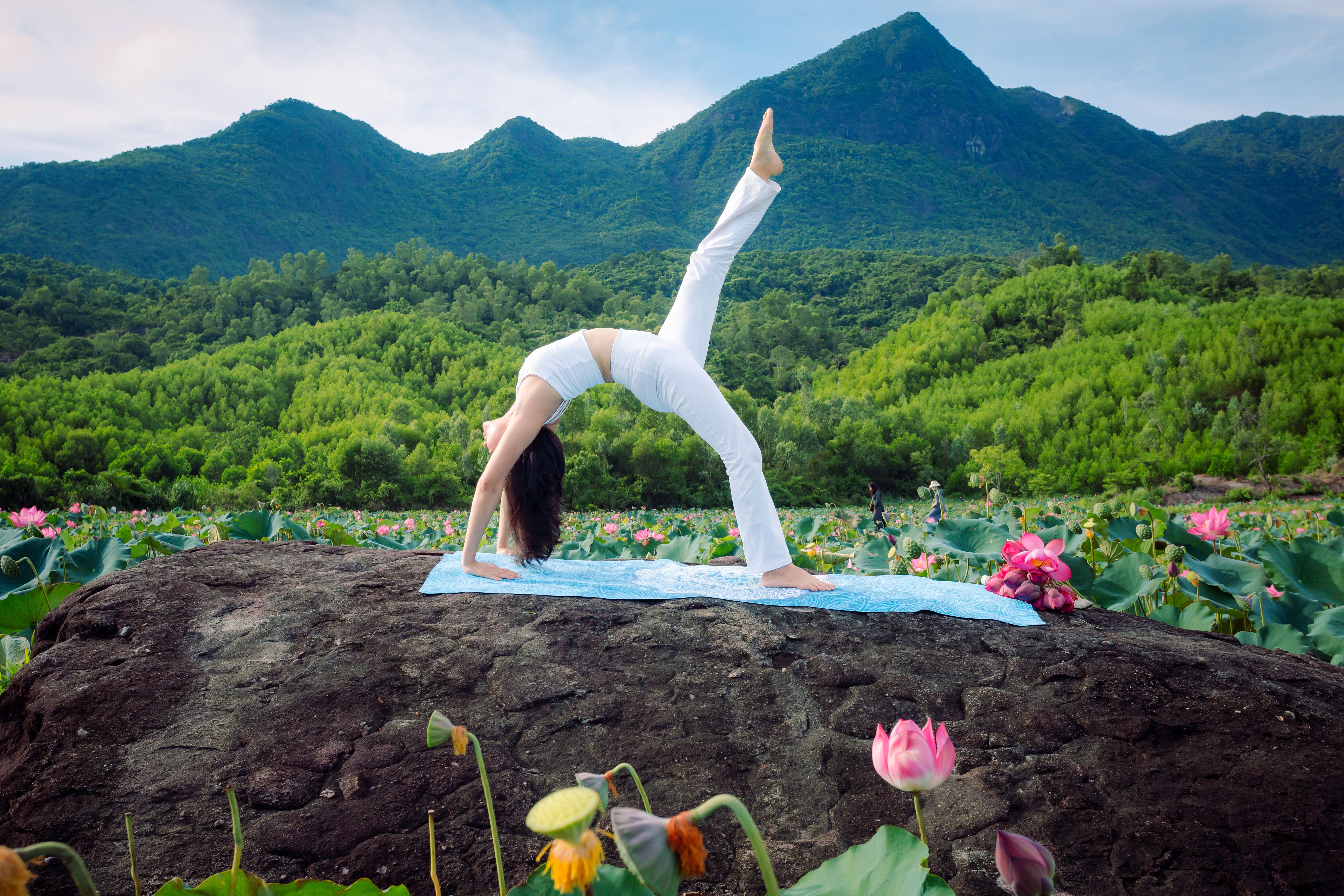
Familiar practices, a distinctly Vietnamese voice. Meditation, yoga or Pilates,ect. may look familiar wherever you travel, and their lessons are universal: breathe, slow down, move with awareness. What changes in Vietnam is how they are taught and what surrounds them. Here, the guidance is rooted in local culture and history, from Zen Buddhist heritage to the everyday rituals of village life, so each session reflects the place it comes from and often inspires you to carry something of it home.
For the body. Spa rituals, massage and gentle movement form the foundation of most journeys, and Vietnam adds its own local dimension. In the northern mountains, the Red Dao people are known for herbal baths made from medicinal plants foraged in the forest, with recipes passed from mother to daughter and traditionally prepared to help new mothers regain their strength. For something more active, a Pilates session in the Mekong Delta keeps the body moving without the pressure of a gym.
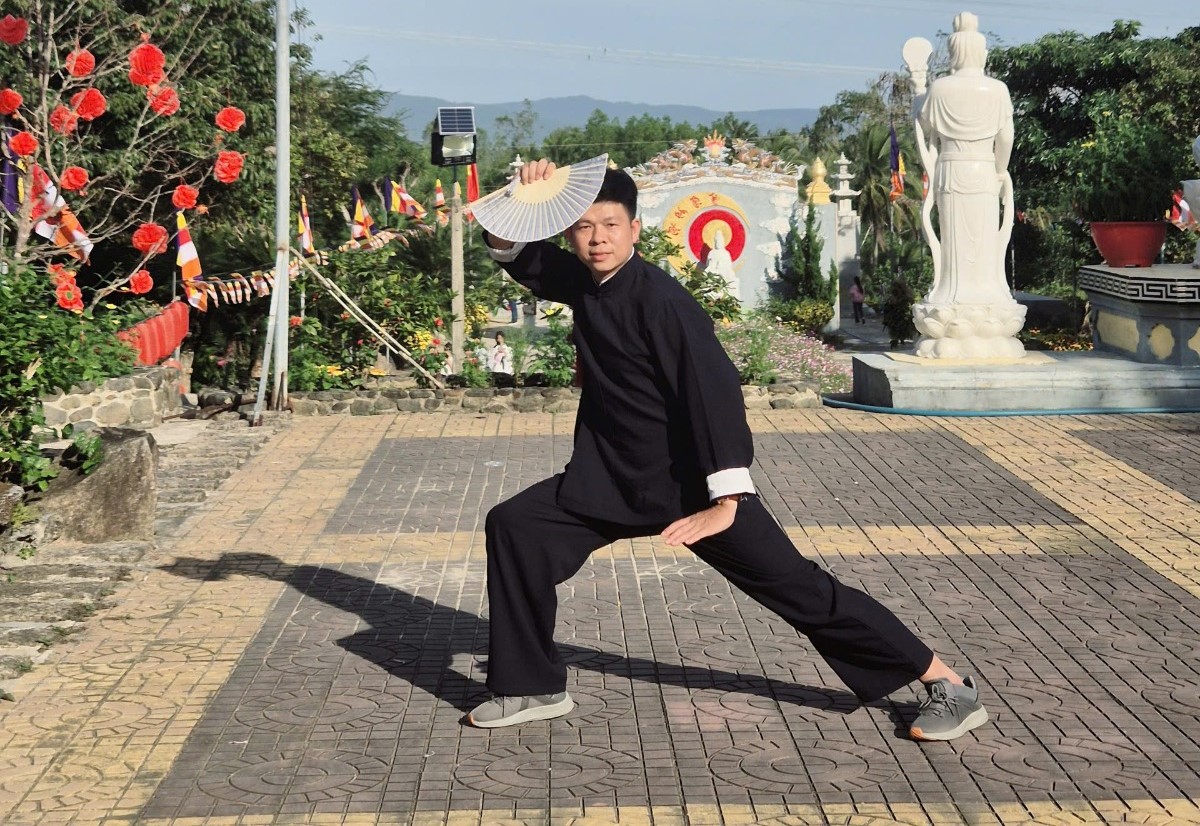
For the mind. Meditation is easier when the setting supports it, which is why a stay at Yen Tu, steeped in Zen Buddhist heritage, feels so different from practising at home. If sitting still feels difficult, Qi Gong offers a gentler way in: slow movement, steady breathing and focused attention, often taught at sunrise, that quiets the mind through the body. Some resorts also offer multi-day programmes that combine fitness, nutrition, sleep and mindfulness.
For the spirit. Slow cultural encounters, from an afternoon with a local artisan to a shared meal, restore a sense of connection that a spa alone cannot.
How to choose. The goal is not to fill a client's days but to anchor them. Start with two or three experiences that match the client's intention and recovery style, and leave space around them. It helps to ask whether they prefer guidance or freedom, private sessions or a small group, and how much movement they are comfortable with and gather health information early, too as not every traditional treatment suits everyone. A good local partner can brief the spa or teacher before arrival and adjust or substitute treatments quickly if needed.
The right experiences should leave your clients restored, not busy. So how much of the journey should be wellness, and how much discovery?
Balance Wellness With Discovery
Most wellness travellers are not booking a pure retreat. According to the Global Wellness Institute, about 85% of wellness trips in 2022 were "secondary", meaning wellness was part of a broader journey rather than its only purpose. Your clients most likely want both: to feel restored, and to feel they have truly seen Vietnam.
The balance is easy to get wrong in either direction. Too much sightseeing turns a wellness trip into an exhausting tour, while too much time behind resort walls can leave a curious client feeling disconnected from the country. A simple approach is to pair each wellness anchor with one gentle discovery nearby.
For example:
- Hue: a slow morning among the pagodas and royal tombs, then an afternoon by the river or lagoon.
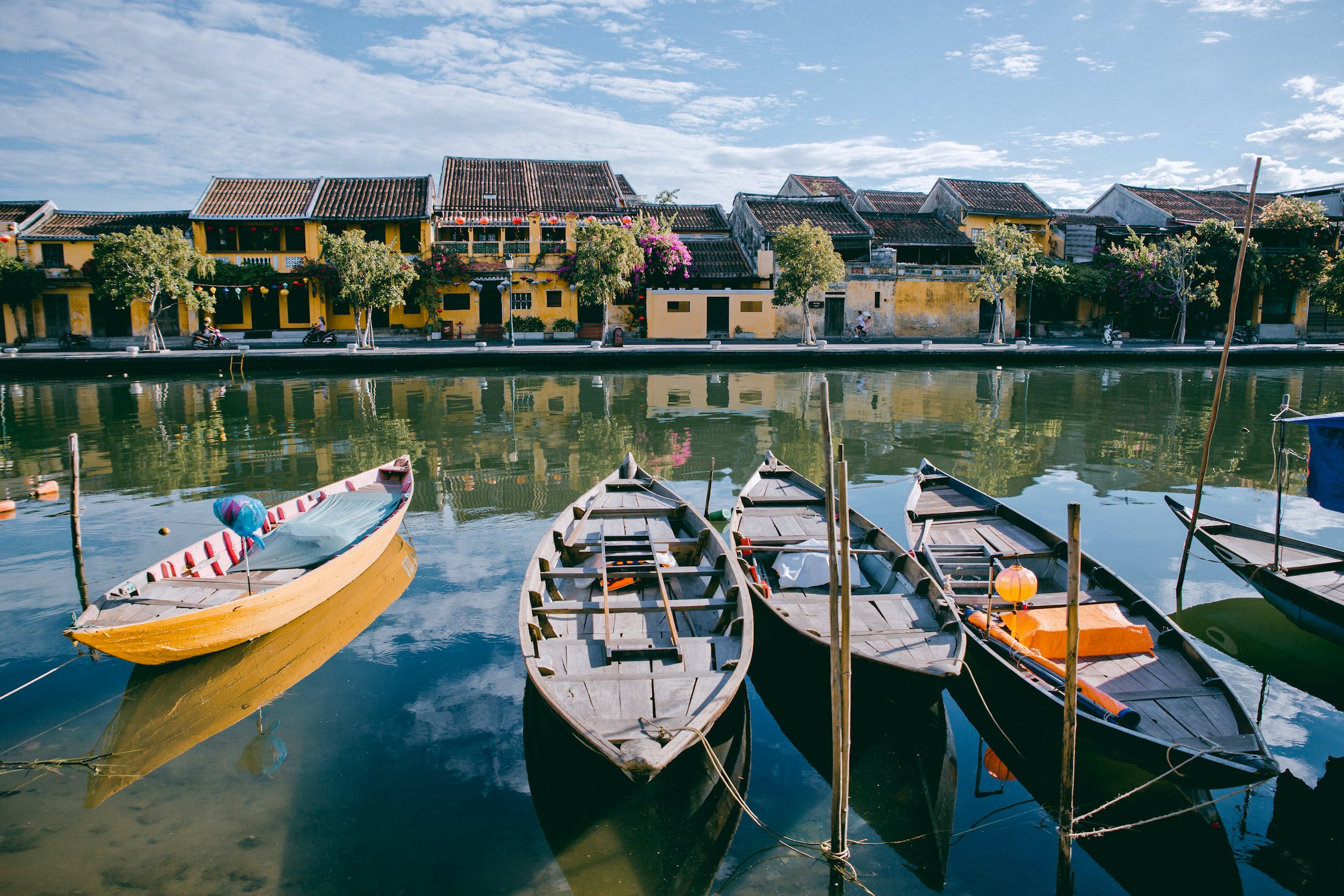
- Hoi An: an evening walk through the lantern-lit old town after a yoga day in the resort.
- Ninh Thuan: Cham towers and handmade pottery between quiet beach days.
- The Mekong Delta: floating markets and canal life before a Pilates session.
Two practical rules help. Choose low-intensity discovery and place it in the cooler hours, early morning or late afternoon, since central Vietnam can become very hot in summer. And limit it to one main outing per day, so rest never feels squeezed.
There is also a business case for starting small. GWI notes that the two types of wellness travel reinforce one another: ‘a client who adds wellness moments to a cultural trip may later book a full retreat.’
Give Time to Slow Down and Find the Right Rhythm
Slowing down is not something that happens by accident; it is designed. A study published in the Journal of Happiness Studies found that holiday well-being tended to rise over the first days and peak around the eighth, and its researchers noted that it takes time to wind down after a stressful period of work. They also caution that no single length suits everyone. The practical lesson for advisors is simple: the first days of a journey are for arriving, not for doing.
A few principles help set the rhythm:
- Fewer bases, longer stays. Every move costs half a day, and two or three bases usually feel calmer than five.
- Soften the arrival. Keep the first day light, and avoid stacking long transfers around a treatment programme.
- Build in a buffer. Some transfers depend on the weather, such as the boat to Ninh Van Bay, which only runs in good conditions, so a spare half-day protects the plan.
- Schedule a true rest day. Place it mid-journey, with nothing on the agenda at all.
- Begin gently. A slow morning, whether yoga session, a walk or a breakfast without a schedule, sets the tone for everything that follows.
A slow itinerary is not an empty one. The aim is a pattern your client can feel: an anchor experience, one gentle discovery, and plenty of space in between.
Knowing which transfers are truly long, which days are busiest and where the weather can interfere is what turns pacing theory into a plan that works. That is where local expertise makes the difference.
Why Local Expertise Matters
The difference between a good wellness itinerary and a great one lies in details that never appear in a brochure. This is where a local partner earns its place.
Local destination expertise. Every choice in a wellness journey is a local one: the destination, the property, the experience, the pace and rhythm. So are the practical details that decide how a day feels: how transfers run, which hours the roads clog, which restaurant suits the mood of a retreat, and which partner delivers consistently. Some places also depend on conditions no website mentions. We plan the alternatives before they are needed, and we work with trusted local partners we know first-hand.
Wellness expertise, in-house. Wellness is not an add-on for us. Our founder brings a deep background in wellness, and our associates are wellness experts and teachers. Around 80% of the tours we operate day to day include a wellness element, so our programmes are shaped by daily practice, not theory. When health needs are shared in advance, we can adapt accordingly in the itinerary.
Responsible by design. We favour authentic experiences, support local people and businesses, and can run CSR and ESG activities.
For advisors, the benefit is simple: you share one brief, and we handle the details, so your client's journey simply flows.
A Sample Wellness Journey: Nourish & Discover in Hoi An
To see how these principles come together, here is a four-day, three-night example from our programmes: Nourish & Discover, a yoga retreat in Hoi An, based at Legacy Hoi An Resort among gardens and rice fields.
Day 1: Arrive and settle. Check in, then a private yoga session with a dedicated teacher. The evening is left free, followed by a dinner of local dishes.
Day 2: A mindful morning. For those who wish, an early-morning visit to My Son Sanctuary sets a peaceful tone. Back at the resort, a private yoga class focuses on breath and the connection between mind and body.
Day 3: Gentle discovery. A guided walk through the old town introduces its architecture, silk making and local handicrafts, with yoga in both the morning and the afternoon.
Day 4: Countryside and farewell. A cycling tour through villages and countryside, then a cooking class in town.
Why it works for your client
- One anchor a day. A private yoga session, tailored to each guest, gives every day a clear centre.
- Discovery that restores. Walking, cycling and cooking bring the local culture in at a gentle pace.
- A rhythm with room. A light arrival, an optional early start and one main outing per day leave space in between.
- Smooth logistics. Transport during the retreat and pre- and post-retreat support are included.
This is just one example. You can explore more of our programmes across Vietnam on our Zen Vacation wellness packages page, and every one can be tailored to your client's intention.
Experience Vietnam Wellness Your Way
There is no single way to design a Vietnam wellness journey, and that is its strength. With the right intention, the right places, a gentle rhythm and local hands guiding the details, a journey can reflect exactly how your client wants to feel.
At Zen Vacation, wellness is part of most of what we do: around 80% of the tours we operate include a wellness element, shaped by our in-house team and trusted local partners, and guided by responsible tourism. From a dedicated wellness retreat in Vietnam to a longer journey combining culture, nature and wellbeing, each experience is designed to give you the freedom to travel deeply — without rushing through the places you came to experience.
Ready to design a journey together? Explore our wellness packages for inspiration, or share your client's brief and we will tailor a programme to their intention booking@zen-vacation.com