
Japan Luxury DMC: Beyond the Itinerary | Zen Vacation
To the global luxury traveler, Japan is rarely a destination visited just once. It is a country that captures the imagination, drawing discerning clients back time and again. Yet, as a high-end Travel Advisor, you know all too well that planning an exceptional journey here in today’s travel landscape presents a unique challenge.
In 2025, Japan experienced an unprecedented tourism surge, welcoming a record 42.7 million international visitors—nearly 10 million more than pre-pandemic levels—with total inbound spending reaching a staggering ¥9.5 trillion. While this reflects Japan’s undeniable global allure, it has also brought a critical turning point. For high-net-worth travelers, the standard "Golden Route" highlights across Tokyo, Kyoto, and Osaka are increasingly marred by overtourism, overcrowded sanctuaries, and diminished exclusivity.
Recognizing this reality, Japan’s official national tourism strategy has shifted decisively from volume to value—prioritizing high-yield experiences, regional depth, cultural preservation, and sustainable luxury.
For global Travel Advisors, this shift means that standard high-end itineraries are no longer enough. Any agency can reserve a suite in Ginza or secure bullet train tickets, but ultra-high-net-worth clients no longer evaluate a trip merely by brand names on a confirmation voucher. They seek something far more elusive: frictionless access, deep cultural resonance, and pristine moments of quiet magic away from the crowds.
Japan is a country defined by layers. Its true beauty is often concealed behind discrete wooden sliding doors, understated entrances without signs, and unwritten cultural codes perfected over centuries. Designing a truly transformative Japanese journey requires far more than logistical precision—it demands a partner who understands the nuance, spirit, and quiet protocols that govern Japan’s most exclusive spaces.
As a specialized Luxury Destination Management Company (DMC), Zen Vacation operates as your trusted on-the-ground extension, translating the complex ethos of Japanese hospitality into seamless, elevated journeys designed specifically for your most demanding clientele.
Understanding the Japan Behind the Itinerary
To design a trip that moves beyond the conventional, one must first understand the invisible cultural framework that shapes luxury in Japan. Unlike Western luxury hospitality, which often emphasizes grandeur, high visibility, and overt opulence, authentic Japanese luxury is inherently subtle, introspective, and rooted in restraint. It is a philosophy defined not by what is put on display, but by what is curated behind the scenes.
The Essence of Omotenashi: Anticipation Over Action
At the heart of Japanese service lies Omotenashi—a concept frequently translated as "hospitality," but far more accurately described as the art of selfless, invisible care. True Omotenashi is not about grand gestures or theatrical service. It is the meticulous anticipation of a guest’s needs before those needs are even consciously felt.
For your clients, this translates into an experience where every transition feels effortless:
- Intuitive Adjustments: A private driver who subtly adjusts the morning route based on real-time lighting and crowd flow, ensuring your clients arrive at a tranquil temple garden at its most breathtaking and peaceful hour.
- Unspoken Personalization: A traditional ryokan host who notices a guest's preference for a specific tea blend or seating arrangement and seamlessly adapts every subsequent meal without a single word needed.
- Harmonious Flow: An itinerary rhythm that accounts for energy shifts, balancing high-engagement cultural encounters with moments of serene stillness.
When a DMC understands Omotenashi, the itinerary ceases to be a rigid schedule. It becomes a fluid, living narrative where logistics dissolve into the background, leaving the guest entirely present in the moment.
The Power of Ma: The Luxury of Space and Pause
In Western itinerary design, success is often measured by richness of density—how many sights, meals, and activities can be layered into a single day. In Japan, however, one of the most vital design elements is Ma (間)—the aesthetic concept of negative space, pauses, and meaningful silence.
In Japanese architecture, flower arrangement (Ikebana), and tea ceremony (Chado), Ma is what gives form and meaning to the surrounding elements. The same principle applies to bespoke travel curation. In an era of record visitor numbers, an over-scheduled luxury itinerary risks overwhelming the senses, reducing profound cultural traditions into a blur of rushed appointments.
Understanding the "Japan behind the itinerary" means intentionally designing Ma into your client's journey. It is the deliberate space between a morning private temple viewing and an afternoon artisan studio visit—giving guests room to breathe, reflect, and absorb the atmosphere. By mastering the art of the pause, we allow the depth of Japan’s heritage to truly resonate.
Curating Exceptional Stays
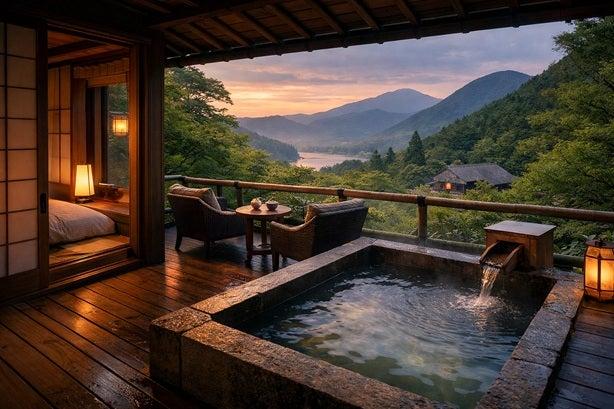
For the discerning luxury traveler, accommodation is never merely a place to sleep—it is an anchor of the entire travel narrative.
With Japan experiencing record-breaking inbound travel, the demand for high-end accommodation has reached unprecedented levels. Luxury hotel occupancy across major hubs consistently hovers near capacity, and average daily rates (ADR) for premier properties and exclusive ryokan have surged to all-time highs.
In this competitive landscape, curating the right stays requires a nuanced understanding of privacy, heritage, and availability. Hospitality in Japan spans two distinct dimensions—the polished perfection of international luxury brands and the deeply rooted traditions of ryokan (traditional Japanese inns).
Selecting properties from afar often comes with hidden friction points: navigating language barriers with historic properties, securing limited suites during peak seasons, or discerning which traditional ryokan can truly cater to VIP expectations without compromising their authentic soul.
Balancing Modern Luxury and Historic Ryokan Culture
The art of property curation in Japan lies in contrast and balance. A flawless high-end itinerary often weaves together the effortless comfort of modern luxury hotels with the serene, immersive heritage of high-end ryokan.
- International & Boutique Western Luxury: Properties such as Aman Tokyo, Park Hyatt, or Four Seasons offer familiar Western comforts, expansive spatial layouts, and state-of-the-art amenities. They serve as ideal urban sanctuaries, providing intuitive 24-hour service, elite concierge networks, and flawless English fluency.
- Authentic Heritage Ryokan: Staying at a historic ryokan—such as a centuries-old property in Hakone, Kyoto, or Izu—is a transformative cultural experience. Here, luxury is expressed through architecture crafted from untreated Hinoki cypress, onsen (hot spring) baths fed by natural thermal waters, Tatami-matted suites opening to private Japanese gardens, and multi-course Kaiseki dining served in the privacy of the guest's room.
At Zen Vacation, we do not simply match star ratings. We evaluate how each property aligns with your client's specific travel persona—balancing the desire for familiar modern luxury with the rich, sensory immersion of authentic Japanese living.
Navigating the Nuances of Traditional Hospitality
While traditional ryokan offer unparalleled cultural depth, they also operate under distinct cultural frameworks that can sometimes surprise international luxury travelers if not handled with care:
- Dietary Mastery & Kaiseki Precision: Kaiseki cuisine is a sacred culinary art centered on hyper-seasonal, locally sourced ingredients. Modifying a chef’s curated menu for complex dietary requirements, allergies, or lifestyle preferences requires delicate, advance negotiation with the innkeeper (Okami-san).
- Bespoke Bedding & Room Configurations: Traditional ryokan feature futon bedding laid on natural Tatami mats. For VIP clients accustomed to Western king mattresses, we select ryokan that offer hybrid suites featuring raised Western-style beds amidst traditional Japanese aesthetic architecture.
Through our established network across Japan, Zen Vacation provides your agency with direct access to these hidden sanctuaries. Whether securing buyouts for private family gatherings, locking in rare suite availability during peak cherry blossom or autumn foliage seasons, or arranging bespoke welcomes personally tailored by the property owner, our on-the-ground presence ensures your clients receive the highest tier of VIP recognition.
Creating Private Experiences With Cultural Depth
.jpg)
For many high-end travellers, luxury in Japan is no longer defined by landmarks or famous hotel names. It is defined by privacy, seamless access and a genuine cultural connection. In Kyoto or Tokyo, standard guided tours can feel predictable and crowded, and discerning guests would rather experience Japan's heritage at their own pace.
Arranging private experiences in Japan takes careful navigation, however. Many historic venues, traditional artisans and specialist hosts do not operate on open booking platforms, and access often rests on long-standing relationships. This is where a local luxury DMC acts as a quiet bridge between guests and authentic culture.
Access to cultural heritage
Rather than off-the-shelf activities, we arrange experiences built on quiet exclusivity and personal space:
- Private temple and garden visits. Where available, early-morning or private access to select temples and gardens in Kyoto or Kamakura, so guests can appreciate the architecture and landscape in serenity before public hours.
- Artisan studio visits. Private meetings with skilled craftspeople, such as lacquerware artisans in Kanazawa, makers of tea-ceremony utensils or traditional textile weavers in Kyoto, where guests can watch the craft up close and talk quietly with the host.
- Traditional evening entertainment. Reservations at ochaya (traditional teahouses) for geiko and maiko performances in Kyoto, an elegant glimpse into Japan's performing arts in a private setting.
Thoughtful culinary moments
Securing a table at a famous restaurant is only the beginning. What matters is tailoring the atmosphere to the guest.
- Private dining rooms. Tatami rooms at top-tier ryotei (traditional fine-dining restaurants) or seasonal kaiseki houses, for multi-course dinners in complete privacy.
- Private counters. Sushi or tempura counter seatings where the chef prepares a tasting menu around seasonal ingredients and dietary preferences.
- Tea and sake. Private tastings led by experienced tea masters, or sake pairings with local specialists who explain the history and craft behind each choice.
Interpretation that feels natural
The quality of interpretation shapes the whole experience. Standard guiding often stops at dates and facts. We pair guests with private hosts and specialist guides who offer insight into Japanese history, art and etiquette, so conversation feels natural, engaging and respectful, never stiff or staged. One meaningful experience a day is usually enough, with open time around it for silence and reflection. A guest rushed from one experience to the next takes away less from each.
The Japanese Sense of Season
In Japan, seasonality is far more than a weather forecast. It is a cultural mindset that shapes daily life, architecture, cuisine and art. Travellers who return to Japan are often drawn back not by new places, but by familiar places in a different seasonal light. Designing for the seasons means looking beyond the obvious highlights.
Beyond peak cherry blossom and autumn colour
Spring's sakura and autumn's red leaves draw global crowds, along with inflated rates and congested logistics in the major hubs. Cherry blossoms in Tokyo, Kyoto and Osaka peak from late March to early April, and hotels in those cities are best booked 6 to 12 months ahead.
The good news is that the two seasons move in opposite directions. Blossoms reach Tohoku and Hokkaido in late April to early May, while autumn colour travels south, reaching Tokyo and Kyoto by late November, which makes October excellent for Hokkaido, Tohoku and the Japanese Alps.
- Follow the front. Rather than concentrating travel in Kyoto at peak, we track regional blossom and foliage timing, guiding guests to quieter regions such as Tohoku or the Japanese Alps. One caution: late blossoms in Hokkaido or Hirosaki coincide with Golden Week in early May, so early booking is essential.
- Winter serenity. Beyond skiing in Hokkaido or Nagano, winter offers deeply restorative moments: soaking in an open-air onsen while snow falls (yukimi-buro), quiet hot-spring towns, and seasonal cuisine such as Echizen crab and fugu.
- Summer in the highlands. Summer brings lush greenery, evening festivals (matsuri) and cool mountain air. Highland escapes such as Karuizawa and Nikko suit the season, with morning waterfall walks and outdoor tea gatherings.
The right season is not always the most famous one. It is the one that matches the guest.
Going Beyond the Expected Japan
National tourism policy is leaning into regional depth to balance visitor flow, and the future of luxury travel in Japan increasingly lies beyond the well-trodden "Golden Route" of Tokyo, Kyoto and Osaka. For guests seeking stillness, natural landscapes and authentic regional heritage, Japan's lesser-explored provinces offer remarkable depth. Regional travel needs local expertise, though, to keep comfort, transport and service consistent outside the major cities.
Regions worth the journey
- Wakayama. Sacred mountains and ancient pilgrimage routes recognised by UNESCO, where Shinto and Buddhism meet. Stay overnight in a temple lodging (shukubo) on Koyasan, with vegetarian shojin ryori and morning prayers, then continue to the Kumano Kodo trails and Nachi Falls, Japan's tallest single-drop waterfall. Koyasan lies about 90 minutes from Osaka, which makes it an easy extension to a Kyoto and Osaka journey.
- The Seto Inland Sea (Setouchi). A calm marine landscape of art islands such as Naoshima and Teshima and striking architecture, suited to island-hopping and stays in restored kominka (historic farmhouses) or boutique hideaways.
- Kanazawa and Hokuriku. A quiet cultural counterpart to Kyoto, with well-preserved samurai and geisha districts, the celebrated Kenroku-en garden and exceptional seafood, at a gentler pace.
- Kyushu's thermal valleys and pottery towns. Volcanic landscapes, historic ceramic towns such as Arita and Imari, and secluded hot-spring ryokan tucked into forested valleys.
- Tohoku. Dramatic nature, ancient cedar forests and authentic rural traditions, with historic hot-spring retreats and a real sense of solitude.
Weaving regions like these into a bespoke journey lets guests experience Japan's quiet side, with high cultural value and fewer crowds.
Designing a Truly Bespoke Itinerary
Designing a journey for high-net-worth clients is an exercise in restraint and balance. A truly bespoke itinerary does not come from a template; it is built around the individual rhythm, energy, and subtle preferences of the guest.
Balancing Pace, Energy, and Physical Flow
One of the most common pitfalls in luxury travel design is over-scheduling. High-end travelers often arrive after long international flights or demanding schedules, seeking restoration rather than exhaustion.
- Pacing with Intention: We construct daily flows that focus on one core, high-value cultural immersion per day—such as a morning private garden access or an afternoon artisan visit—leaving ample room around it.
- Geographical Logic: Managing internal transport seamlessly, whether arranging private luxury vans for regional transfers, private luggage forwarding between stays, or securing Gran Class seating on bullet trains (Shinkansen).
- Flexibility for Spontaneity: Leaving unstructured windows in the schedule gives guests the freedom to rest, explore a neighborhood at leisure, or simply enjoy their ryokan or hotel suite without feeling bound to a clock.
The Importance of Luxury Local DMC
Even the most experienced Travel Advisor faces limits when coordinating complex, high-end travel to Japan from abroad. Distance, time zones, language nuances, and distinct business customs make on-the-ground support essential.
Ground Logistics Executed with Precision
Luxury travel in Japan relies on invisible operational mastery:
- Vetted Chauffeurs and Private Transport: Working strictly with experienced, professional drivers who understand protocol, punctuality, and discretionary service for VIP guests.
- Real-time Adaptability: Weather conditions, seasonal changes, or sudden shifts in a guest’s preference require instant adjustments behind the scenes without disrupting the guest’s experience.
- 24/7 VIP On-Ground Assistance: Having a dedicated, responsive local team in Japan means any request—from adjusting a dinner time to managing sudden dietary needs or emergency logistics—is handled immediately.
Partner with Zen Vacation
Let’s co-create an exceptional Japan journey for your VIP clients. Contact our luxury travel specialists today to discuss bespoke itineraries, private access, and partner opportunities.
booking@zen-vacation.com