
Vietnam Incentive Travel: What International Planners Need to Know
Vietnam is no longer simply a destination for leisure travel. As companies look for more meaningful ways to reward employees, strengthen teams and create memorable business experiences, Vietnam is emerging as a compelling destination for incentive travel in Asia.
For international planners, however, choosing an incentive destination is about more than scenery. The real questions are practical:
Can the destination handle international groups? Is it easy to access? Can the program be customized? Can the experience create genuine engagement? And can the investment deliver value beyond a few days of travel?
Vietnam's MICE Market Is Entering a New Growth Phase
Independent market research estimates that Vietnam's MICE market will reach approximately US$7.7 billion in 2026, up from US$7.3 billion in 2025. The market is projected to grow at approximately 6% annually through 2031, reaching more than US$10 billion by 2031.
At the broader tourism level, Vietnam has already moved beyond its pre-pandemic international visitor benchmark. The country welcomed approximately 18 million international visitors in 2019, compared with 21.2 million in 2025. In the first eight months of 2026 alone, Vietnam recorded 15.9 million international arrivals, up 14.4% year on year. This recovery is particularly relevant to MICE. Before the pandemic, MICE travel was already expanding at an estimated 10–15% annually, while MICE visitors typically stayed three to four times longer and spent substantially more per day than conventional leisure travellers. Looking toward 2030, Vietnam's opportunity extends beyond simply attracting more visitors. The Vietnamese government has set a national target of 45–50 million international visitors by 2030, alongside a broader strategy to develop higher-value, higher-quality tourism.
For international planners, the implication is significant: Vietnam's MICE opportunity is increasingly about scale, sophistication and experience design, rather than simply destination capacity. The next question is no longer whether Vietnam can host corporate groups. It is how international planners can take advantages of Vietnam’s strengths and growing potential to create incentive programs that deliver measurable value for both participants and their organizations.
Why Vietnam Works for Incentive Travel
Well Connected, Easy to Reach
Vietnam sits at the crossroads of Southeast Asia, with three major international gateways in Hanoi, Ho Chi Minh City and Da Nang, providing access to major markets across Asia and beyond. Direct air connections link Vietnam with key business and leisure hubs including Tokyo, Seoul, Bangkok, and Singapore, making the country practical for regional incentive programs and relatively short-haul corporate travel. Vietnam's connectivity is also continuing to improve. More international routes, expanded airport capacity and new aviation infrastructure are strengthening access to the country's main MICE destinations. Major infrastructure projects, including Long Thanh International Airport, alongside upgrades at existing gateways, are expected to further support international and domestic connectivity.
For planners, this means Vietnam can work well as:
- An incentive destination in its own right
- An extension to a regional incentive program
- A regional rotation stop for annual programs
A MICE Ecosystem That Is Expanding
Vietnam's MICE proposition is developing alongside its broader tourism and hospitality infrastructure.
The country had more than 185,000 hotel rooms across approximately 1,500 lodging establishments as of July 2025, with upscale and luxury properties accounting for 57% of supply. Hotel supply had grown at approximately 7% CAGR through 2024. International hotel brands are also expanding their presence. A 2025 Vietnam Hotel Investment Guide reported that branded hotels had increased from 24% to 32% of the country's inventory over the previous decade, with around 90 international brands operating in Vietnam at the time. The number was expected to exceed 130 within three years.
The growth is particularly relevant for incentive travel. International hotel brands are expanding their presence, while more properties are developing the combination of accommodation, meeting spaces, event venues, dining and leisure facilities needed to host corporate groups within one destination.
For incentive planners, this creates greater flexibility to design programs around the group rather than around what a destination happens to have available. A single program can combine premium accommodation, private events, team experiences, wellness activities and leisure time, with different venues and experiences selected according to the objectives and profile of the group.
A Stable and Predictable Environment
Vietnam offers a stable political environment and a relatively low level of serious crime, providing a reassuring setting for international corporate groups. Firearms are tightly regulated, and large-scale political disruption is uncommon compared with many destinations. This stability matters beyond personal safety. It supports operational continuity throughout the incentive journey. It mean that it allows planners to focus on delivering the program rather than managing major disruption risks. Your incentive group can enjoy the trip without the disruption of major political protests affecting airports or the uncertainty of travelling through an active conflict zone.
Premium Experiences With Competitive Value
Vietnam offers a compelling proposition for incentive groups looking for premium experiences without the premium price tag found in some established regional destinations. From luxury beachfront resorts and international five-star hotels to private dining, exclusive venues and tailored experiences, Vietnam gives planners the opportunity to build a high-end incentive program while maintaining strong control over the overall budget. This is particularly valuable for companies looking to reward, impress and engage their people without having to constantly compromise the scale or quality of the program. A competitive destination budget can be reallocated across the experience itself — from a better resort and private event to upgraded dining, exclusive activities and more personalized program elements. In other words, more room in the budget for the experience that participants will actually remember.
Strong Potential for Experience-Led Incentives
*Culture:
Besides heritage sites and traditional performances, Vietnam's cultural strength is rooted in how people connect — with their community, their family, their heritage and with one another. Across generations and communities, traditions are carried through everyday life: how families come together, how communities celebrate, how people welcome guests, how knowledge and craftsmanship are passed down, and how different ethnic groups maintain their own identities while sharing a broader sense of belonging.
For incentive travel, this creates a rich foundation and materials for experiences inspired and built from it. Participants can be invited to discover a local community, share a meal, learn a craft, take part in a tradition, meet local people or experience how a destination is lived rather than simply visited. These moments can also become powerful foundations for team experiences — encouraging participants to listen, collaborate, discover different perspectives and find reflection themselves and between their group.
*Nature:
We can take advantage of Vietnam’s nature as a space for transformation in incentive programs. Mountains, forests, rivers, waterfalls and coastlines ****offer different environments for teams to explore, challenge themselves, slow down and reconnect. The value of nature can be from what the environment allows them to experience. A mountain trail can become a shared challenge. A waterfall can become a moment of adventure and achievement. Kayaking can create an opportunity for teamwork and exploration. A forest can provide the space to slow down through forest bathing, while a quiet beach can become the setting for meditation and reflection.
Nature can also create opportunities for experiences with a deeper purpose — from forest restoration and community-based CSR activities to outdoor wellness and mindful experiences. This creates a different rhythm for incentive travel: Look outward. Explore. Challenge. Pause. Reflect. Look back at ourselves.
*Wellness Experience
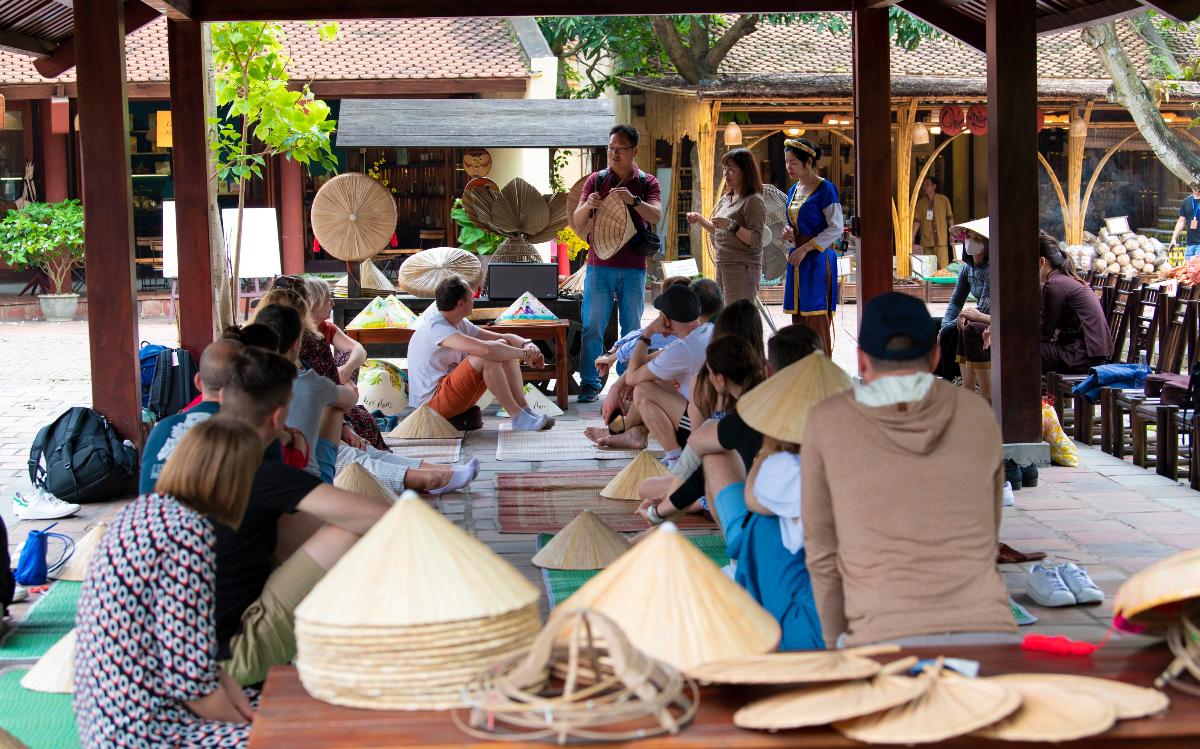
Wellness can add another dimension to the incentive experience. Vietnam's growing resort and hospitality ecosystem provides access to wellness experiences directly within accommodation, from yoga and meditation to spa treatments, movement sessions and other restorative programs. These can be naturally integrated into the itinerary, giving participants moments to slow down, recharge and reset between more active experiences. And wellness does not have to come from the property only. It can also be designed around the destination itself, using the natural environment, local traditions and resources as the foundation for a more meaningful experience. It can be a Qi Gong session by the sea or a local-inspired wellness ritual. From there, wellness can become part of the overall rhythm of the program.
So, How should an incentive travel in Vietnam be designed?
With Vietnam's MICE sector showing positive growth and the country's strengths becoming increasingly relevant to incentive travel, a question now is: How do we turn all of this potential into a seamless incentive experience? Which elements should we consider around it?
Visa
Visa requirements should be checked participant by participant, especially when a group includes multiple nationalities. Vietnam's e-visa system makes entry more convenient for eligible travellers. And we should still verify eligibility, passport validity, entry points and processing requirements well in advance to make sure no one gets left behind the program.
Accomodation
Accommodation is one of the most important sections of MICE program in general and incentive travel in particular. So understanding the accommodation landscape of a destination allows you to make better decisions from the start. Assuming the group has that number of guests and that level of standard… How many rooms are required? Which hotels can accomodate this group? And which property is the right fit?
Then look beyond the rooms. Does the meeting room have enough capacity for the group? Can the facilities support the tone and needs of the program? Can the outdoor areas be used for group activities, networking or special events? A beachfront setting may create a completely different atmosphere from an indoor ballroom — but it can also come with different cost and operational considerations. Also, for facilities: pool, beach, spa, wellness and leisure facilities? This is where destination knowledge becomes critical. The suitable accommodation is not necessarily the most luxurious property or the one with the best photos online. It is the property that fits the group, supports the program and contributes to the experience you want participants to have.
Choose the Destination for your Incentive Travel
A destination may look spectacular online. But for an incentive group in Vietnam, what looks good on social media is not what works well for a corporate program. Unlike leisure travellers, corporate groups have more requirements to consider. The destination needs to have the right accommodation capacity, transportation infrastructure, venues, restaurants and supporting services to accommodate the group and deliver the program as planned. A place may be trending online, yet in reality be better suited to independent travellers or backpackers than to a 50-100 person incentive group. So the question is not “Is this destination beautiful?” You should consider if this destination can accommodate our group and we can create the experiences we want?
Vietnam offers very different destination combinations, each with its own potential for incentive travel.
*Hanoi — Heritage and Tradition: Hanoi combines heritage, local traditions and a mature hospitality ecosystem. With quality hotels, international-standard services and a wide range of Asian and European dining options, it works well for corporate trips that combine business programs with cultural discovery.
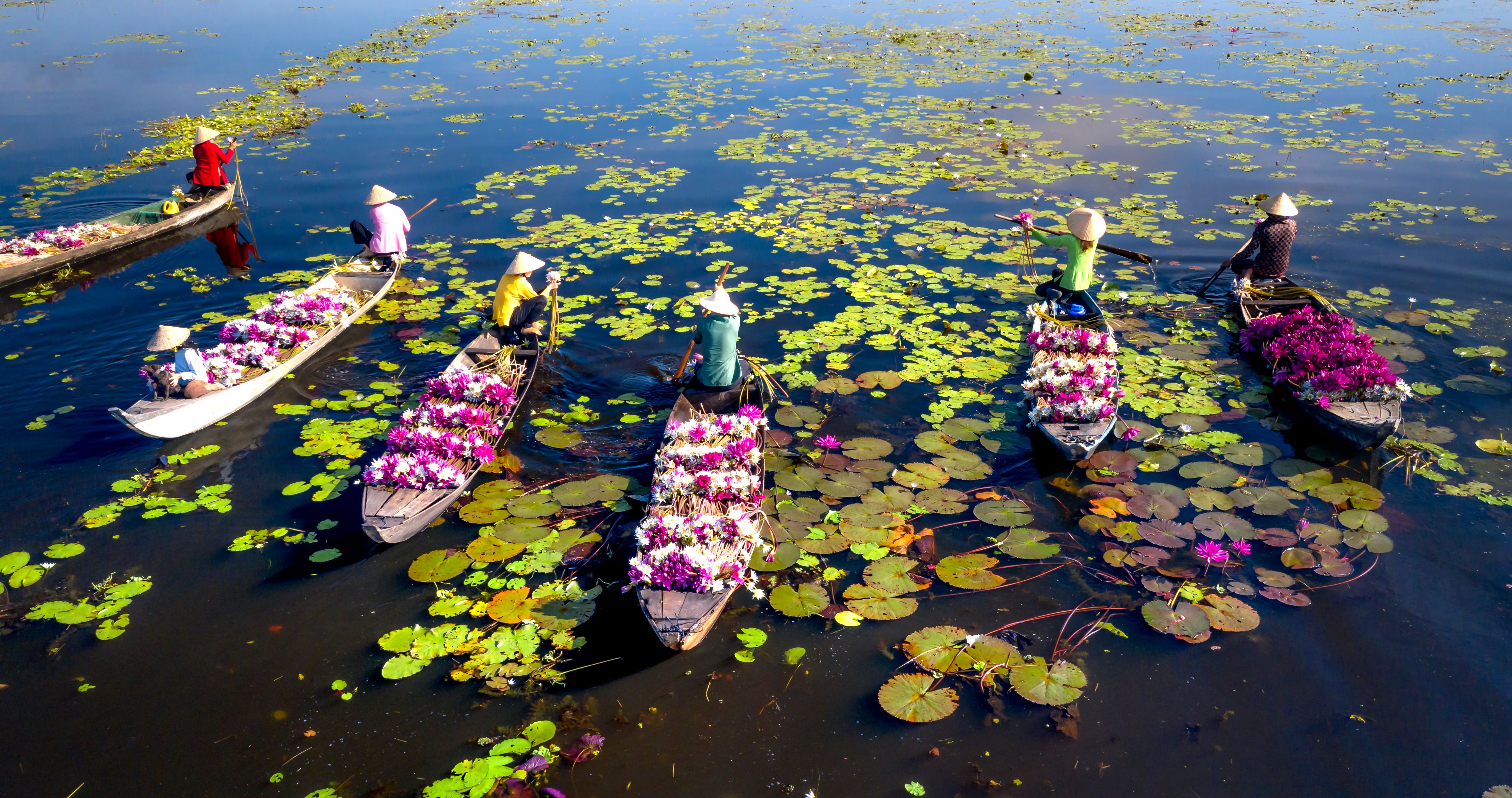
*Ninh Binh — Nature & Countryside Connection: Ninh Binh offers a completely different setting: dramatic landscapes, rivers, limestone formations and a strong connection with rural Vietnam. Its proximity to Hanoi also makes it particularly useful as an extension of a northern incentive program — allowing you to combine city, heritage and nature within one itinerary.
*Ha Long Bay: Ha Long remains one of Vietnam's most distinctive natural settings for incentive travel. For groups, one of the strongest ways to unlock the destination is through a private charter cruise, giving you greater control over the itinerary, dining, entertainment and group activities while turning the journey itself into part of the experience.
*Hue – Da Nang – Hoi An: These three destinations work particularly well together in Central region. Within a relatively compact region, we can combine beach and forest environments, premium resorts, Central Vietnam's heritage and cultural experiences. The combination also creates strong opportunities to incorporate wellness into the program, from resort-based wellness to experiences designed around nature and local culture.
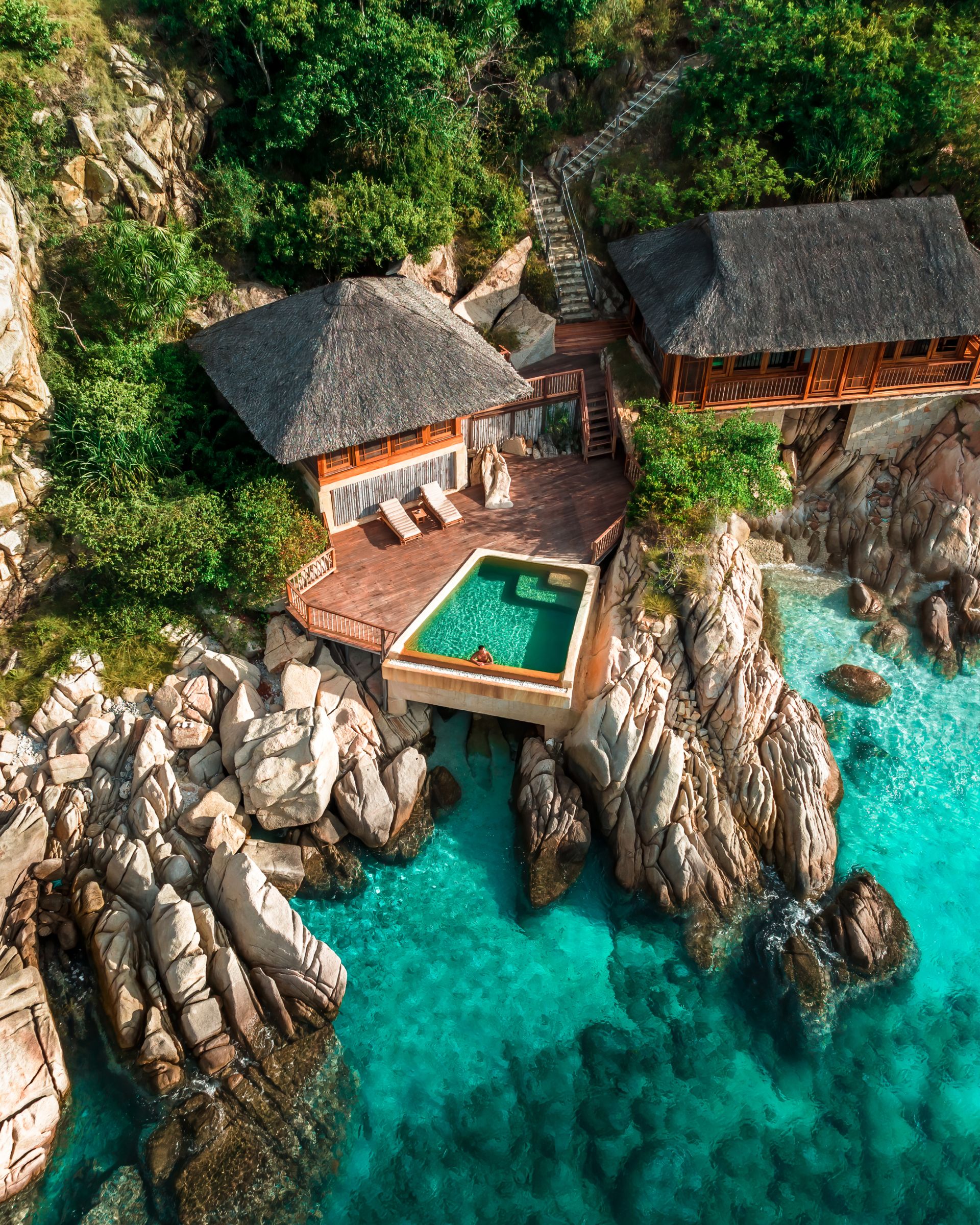
*Nha Trang – Cam Ranh – Ninh Thuan — Coastal Energy with a Cultural Edge: This coastal combination offers a fresh alternative for incentive groups looking beyond the more established beach destinations. Alongside resorts and beach activities, planners can bring in the cultural identity of the Cham people, from traditional dance and cultural encounters to private gala dinners — while combining the coast with trekking and outdoor beach activities.
*Phu Quoc — A Fast-Developing MICE Ecosystem: Phu Quoc is expanding beyond a traditional beach destination into a more complete MICE ecosystem. Sun Group is developing an integrated portfolio of resorts, entertainment and large-scale event experiences, while Sun PhuQuoc Airways is expanding direct connectivity between Phu Quoc and key domestic and Asian markets. It is also a best choice for incentive planners to build programs around accommodation, celebration and large-scale experiences.
*Ho Chi Minh City — Energy, Diversity & Connection: For groups looking for energy, Ho Chi Minh City brings a very different incentive atmosphere. The city's pace, diverse culinary scene, hospitality, entertainment and urban experiences create opportunities for programs that feel dynamic, social and contemporary.
When is a suitable time for Incentive Travel in Vietnam?
There is no single “perfect” time to run an incentive in Vietnam. The smarter approach is to match two calendars at the same time: the company's business calendar and Vietnam's regional seasonality. For many companies, the timing of an incentive already has a natural business purpose. June often works around a mid-year celebration or performance checkpoint. September to December can align with quarterly or year-end results and annual celebrations, while January to February can work well for a new-year kick-off and team alignment. And Vietnam's advantage is its geographic diversity: there is rarely a perfect destination for every month, but there is usually a suitable destination somewhere in the country. So, you just share your preferred travel period and group size with a local DMC like us. We can advise which destination in Vietnam is likely to work best for that time of year. Take a small note for Tet holiday (Lunar New Year), it offers international incentive groups a rare opportunity to experience Vietnam at its most culturally distinctive, but all services for this period can be increased in cost (approximately 20-30%). Also consider Vietnam’s peak travel periods. If your group is travelling during a high-demand season, it is worth blocking hotel rooms and securing flight capacity early to keep more destination and property options open.
And This Leads to the Practical Question: How Early Should You Plan the incentive program in Viet Nam?
For incentive travel, we usually advise the planners that three months should be considered a practical minimum planning milestone, especially when the program falls during a peak travel period. For larger groups, earlier planning gives you more leverage to block the right room inventory, secure suitable flights, hold event venues and build the program around the destination rather than around whatever availability is left.
What Program Ideas Work Best for Incentive Travel in Vietnam?
Culture-Led Experiences - Turn Vietnam’s heritage and local life into an experience rather than a sightseeing stop. Private cultural visits, heritage-based challenges, local craft workshops, culinary experiences and community interactions can give teams a more personal connection with the destination.
Nature & Adventure - Vietnam’s mountains, forests, rivers and coastline create natural settings for activities that encourage teamwork, exploration and achievement. Depending on the destination, this could mean trekking, kayaking, waterfall experiences, cycling, beach challenges or outdoor team missions.
Wellness Retreat - Build moments of wellness into the program rather than treating them as an optional add-on. Yoga, meditation, forest bathing, spa experiences and destination-inspired wellness sessions can create a different rhythm between more energetic activities, helping participants recharge, reflect and reconnect.
Private & Exclusive Experiences - Incentive groups often remember what feels difficult to access as an individual traveller. A private cruise, exclusive dinner, sunset event, cultural performance or a venue reserved entirely for the group can transform a familiar destination into something more personal and memorable.
What mistakes should you avoid when planning Incentive Travel in Vietnam?
The first most common mistake is trying to see too much in one trip. ****Adding too many stops can turn an incentive into a transportation schedule. Instead of trying to cover every highlight, choose destinations that complement each other and strengthen for the team’s purpose. Another mistake is designing the program before understanding the purpose of the group. Is the incentive designed to reward top performers, celebrate a business milestone, strengthen team relationships, align leadership or simply give employees an exceptional shared experience? The objective should shape the program from the concept to the level of exclusivity and interaction. Avoid assuming that one type of incentive program works for every group. A program designed for top sales performers may be different from an executive offsites or a leadership retreat. Use the destination to design the program around the group's objective — and create value that continues after the trip. The goal is not only to create a memorable trip, but also to design an experience that delivers a meaningful ROI for the company and its people long after they return.
Why Plan Your Incentive Travel With a Local Partner?
An incentive trip carries higher expectations than a leisure trip. These are your top performers, and the experience needs to feel worthy of their achievement. That requires more than booking hotels and arranging transportation. It requires someone who understands the destination well enough to turn your group's objective into the right concept, experiences and program. A local DMC brings destination knowledge that is difficult to replicate from a distance — from knowing which destinations and resorts truly work for your group, to securing the right accommodation before availability becomes limited, and managing flights, transfers, suppliers and on-site operations.
And there is a financial reason to work with the right local partner: chaos is expensive. Structure creates efficiency. Poor coordination can lead to unnecessary transfers, last-minute changes, duplicated costs and compromises in the experience. A strong local partner helps planners structure the program from the beginning, coordinate the moving parts and make better use of the budget — so more of the investment goes into the experience itself, rather than fixing problems along the way.
Talk to Zen Vacation about your incentive.
Related articles
.png)