What Is Slow Travel? A Guide to Vietnam
Slow travel is a way of exploring a destination at a relaxed pace, spending more time in fewer places and connecting with local culture, people and everyday life. Instead of visiting several cities in a short trip, slow travelers focus on meaningful experiences, such as staying in a countryside homestay, learning to cook Vietnamese food or spending a few days at a wellness retreat. Vietnam is an ideal destination for slow travel, with its peaceful landscapes, diverse local traditions and growing range of wellness and luxury stays.
For international travelers, slow travel offers a different way to experience Vietnam. Rather than rushing between famous attractions, you can take time to understand the destination and enjoy the journey itself.
What does slow travel mean?
Slow travel is not simply about traveling slowly or spending more days on holiday. It means prioritizing the quality of your experiences over the number of places you visit.
A traditional itinerary might include Hanoi, Ha Long Bay, Hoi An and Ho Chi Minh City within one week. Although this allows you to see several famous destinations, it can also involve frequent transfers, early departures and limited time to explore each place.
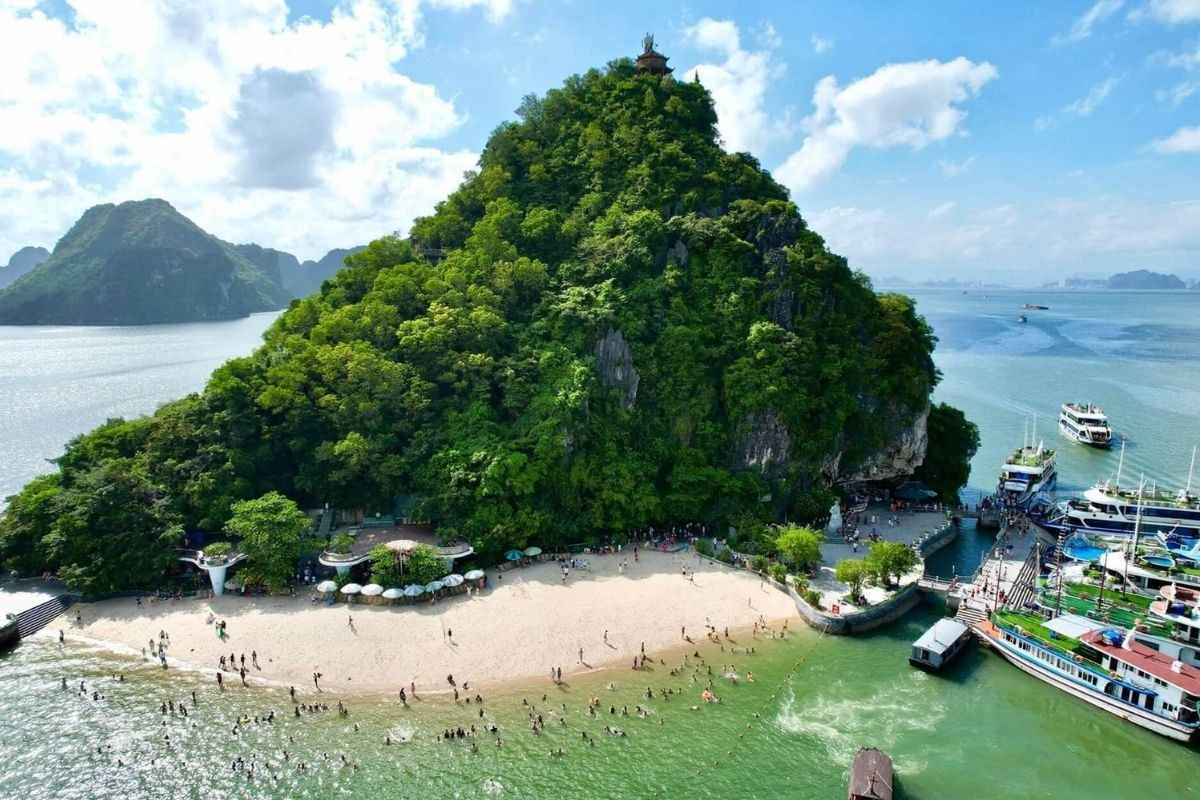
Titop Island in Halong Bay
A slow travel itinerary, on the other hand, might focus on Hanoi and Ninh Binh over the same period. You could spend a few days discovering Hanoi's local food culture before heading to Ninh Binh to explore its countryside, visit small villages and enjoy the surrounding limestone mountains.
The main idea is to give yourself enough time to experience a destination beyond its most popular attractions.
Why is slow travel becoming popular?
Many travelers are looking for holidays that offer more than sightseeing. They want time to rest, experience local culture and return home feeling refreshed rather than exhausted.
Slow travel supports this approach in several ways.
- It creates more meaningful cultural experiences. Spending several days in one destination gives you more opportunities to interact with local people and understand their daily routines.
- It reduces the pressure of a busy itinerary. You do not need to wake up early every morning or spend hours traveling between destinations. There is more room for spontaneous activities and personal time.
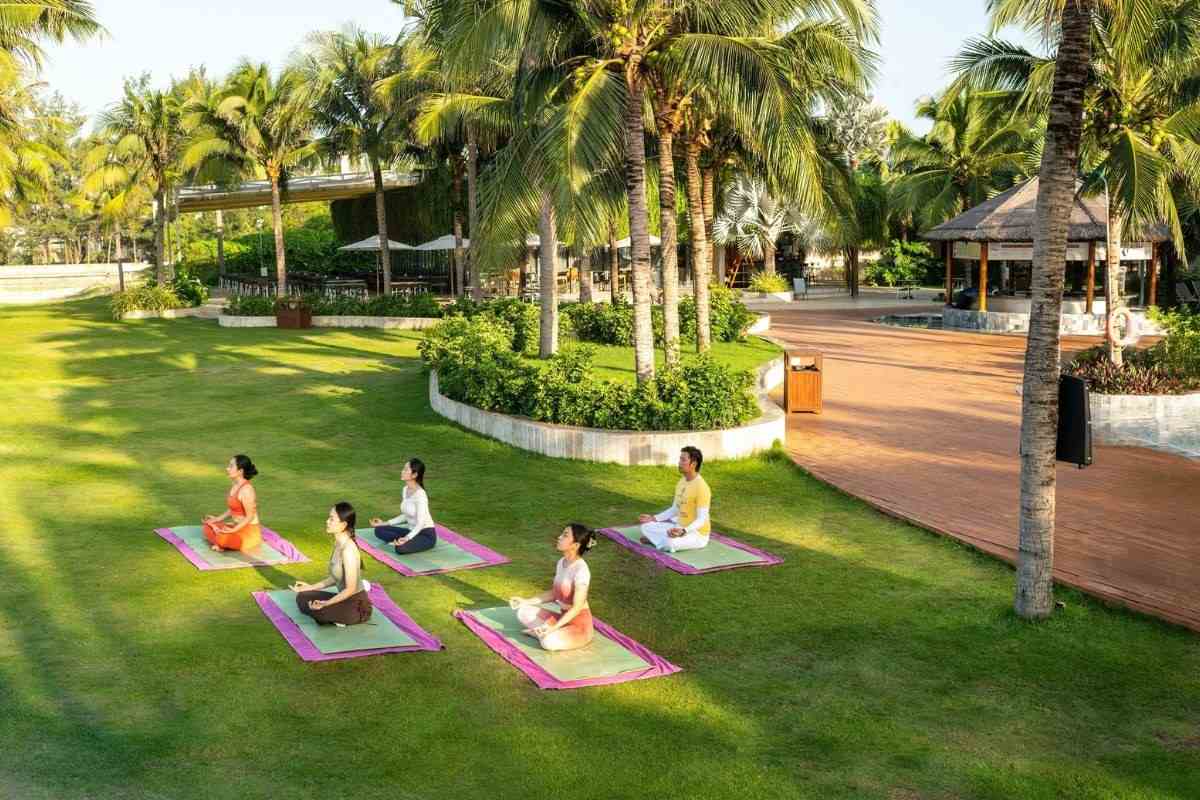
- It allows you to enjoy nature more fully. Whether you are walking through rice fields, practicing yoga outdoors or watching the sunset by the sea, a slower pace gives you time to appreciate your surroundings.
- It can support wellness and relaxation. Slow travel works particularly well with meditation, yoga, spa treatments and other activities that benefit from a peaceful environment and an unhurried schedule.
How to experience slow travel in Vietnam
Vietnam offers many ways to enjoy slow travel, depending on whether you prefer cultural exploration, nature or wellness experiences.
1. Spend more time in Hanoi instead of rushing between cities
Hanoi is a good starting point for travelers who want to experience everyday Vietnamese life.

Egg coffee in Hanoi
Instead of visiting the main attractions in one day, consider staying for three or four nights. You can explore the Old Quarter in the morning, stop at a local coffee shop to try Vietnamese egg coffee and spend an afternoon discovering traditional crafts or enjoying the city's food culture.
For example, you could join a Vietnamese cooking class to learn how to prepare fresh spring rolls and traditional dipping sauce. This provides a more personal experience than simply visiting a restaurant and moving on to the next attraction.
2. Stay in Ninh Binh to reconnect with nature
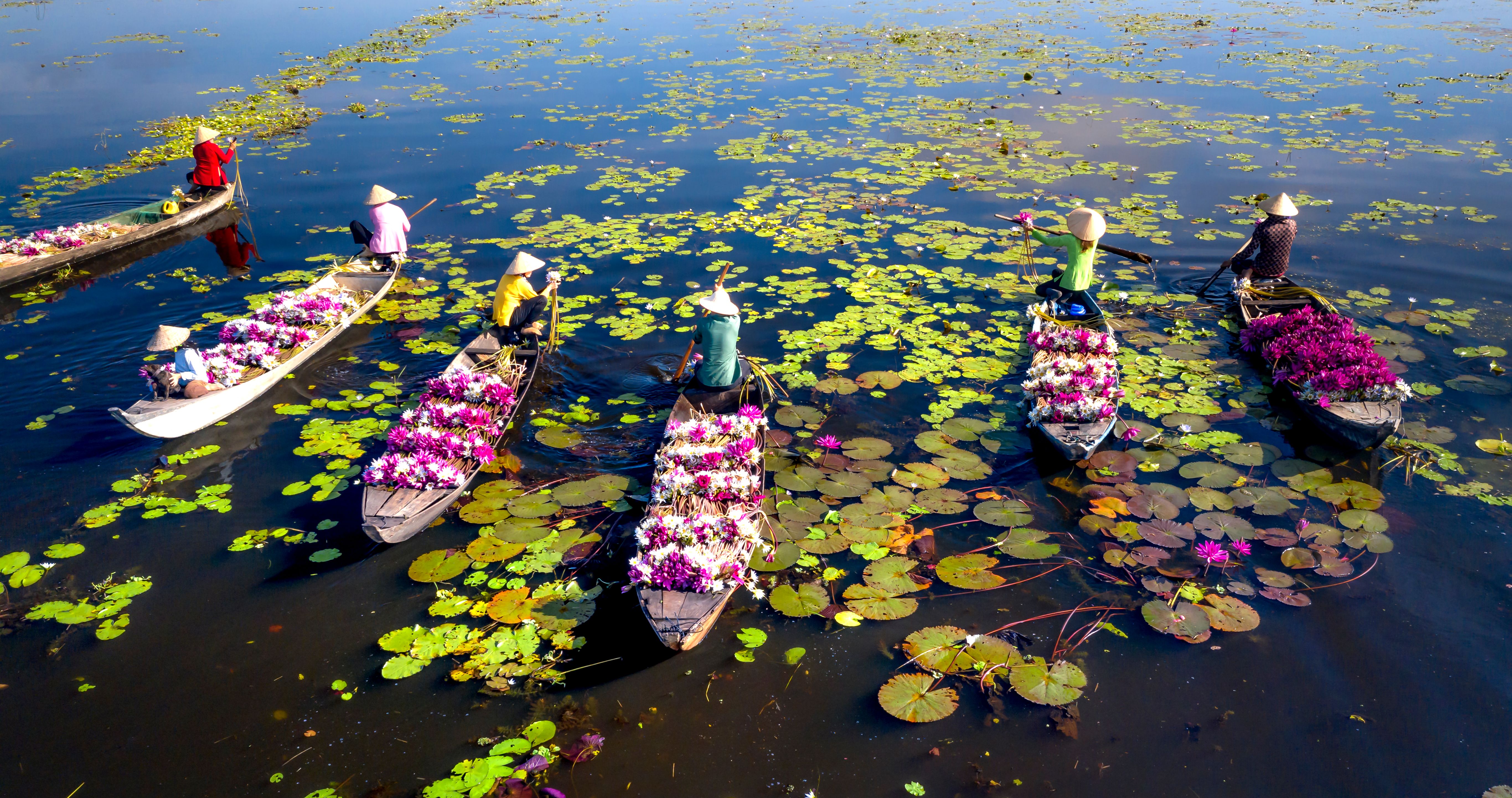
Ninh Binh is an attractive choice for travelers who want to escape busy urban environments. Its limestone mountains, rivers and rice fields create a peaceful setting for a slower holiday.
Rather than visiting Trang An, Tam Coc and Hang Mua in a single day, consider staying for two or three nights. You could take a boat trip through the limestone landscape, cycle along quiet countryside roads and spend time relaxing at your accommodation.
For travelers interested in wellness, this setting can also complement gentle yoga, meditation or a quiet morning walk.
3. Experience local life in Hoi An
Hoi An is more than its lantern-lit streets and historic buildings. Staying for several nights allows you to explore the town at different times of day and discover experiences beyond the main tourist areas.
You could visit a local market in the morning, join a cooking class, cycle through the surrounding countryside or learn about traditional Vietnamese crafts.
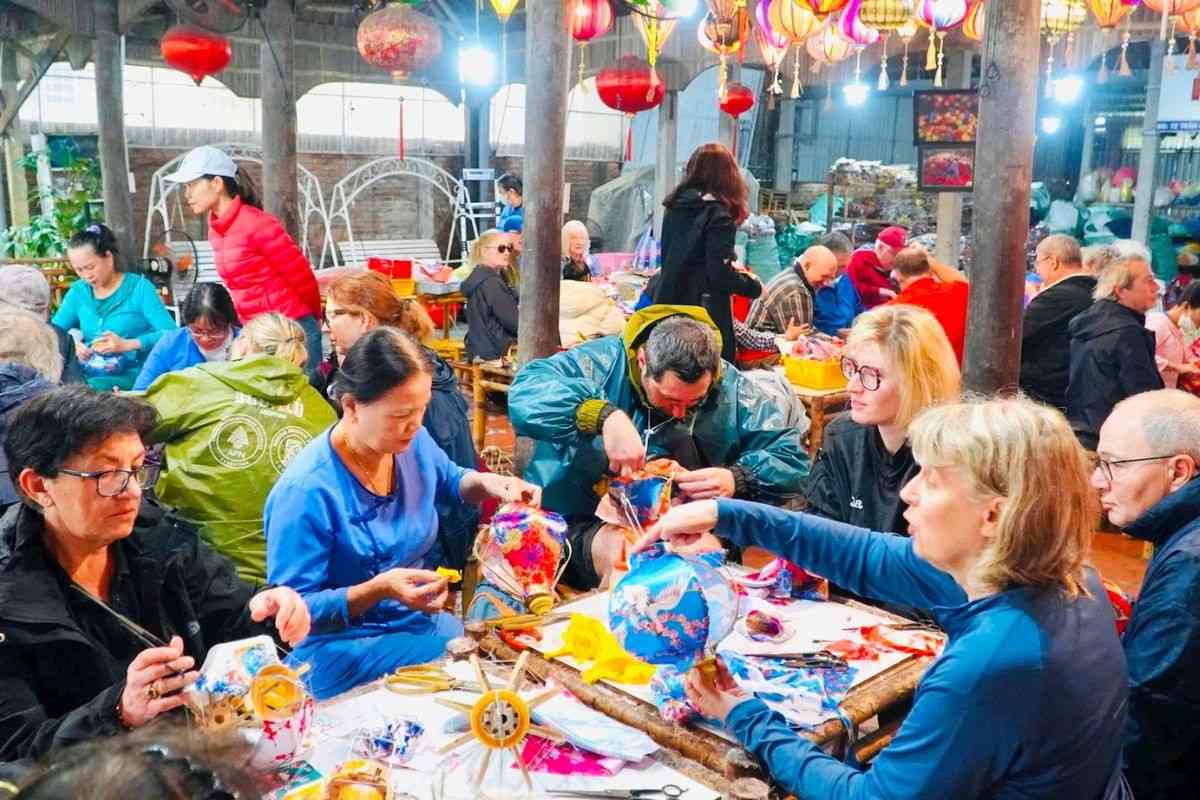
Hoi An lantern making class
For example, spending a morning in a nearby vegetable-growing village can introduce you to local farming practices and the ingredients commonly used in Vietnamese cuisine. These small experiences often create a stronger connection to the destination than a short sightseeing stop.
4. Combine slow travel with a wellness retreat
Slow travel and wellness travel share an important principle: giving yourself time to rest and enjoy the present moment.
Instead of planning activities from morning until evening, you could spend three to five nights at a wellness retreat in Vietnam. A typical day might include morning yoga, a healthy breakfast, free time for reading or relaxing, an afternoon spa treatment and a quiet evening surrounded by nature.
For example, travelers who want a beach holiday could choose a wellness stay in Da Nang, while those who prefer a quieter countryside setting might consider Ninh Binh. The right choice depends on whether you feel more relaxed near the ocean, among mountains or in a peaceful garden.
A wellness retreat can also be a good option for travelers who want some structured activities without having to organize every detail themselves.
How long should you spend on a slow travel trip?
There is no fixed duration for slow travel. The ideal length depends on your destination, available time and travel preferences.
For a short holiday of five to seven days, consider choosing one or two destinations instead of trying to cover the entire country. A week split between Hanoi and Ninh Binh, for example, allows time for both cultural exploration and nature.
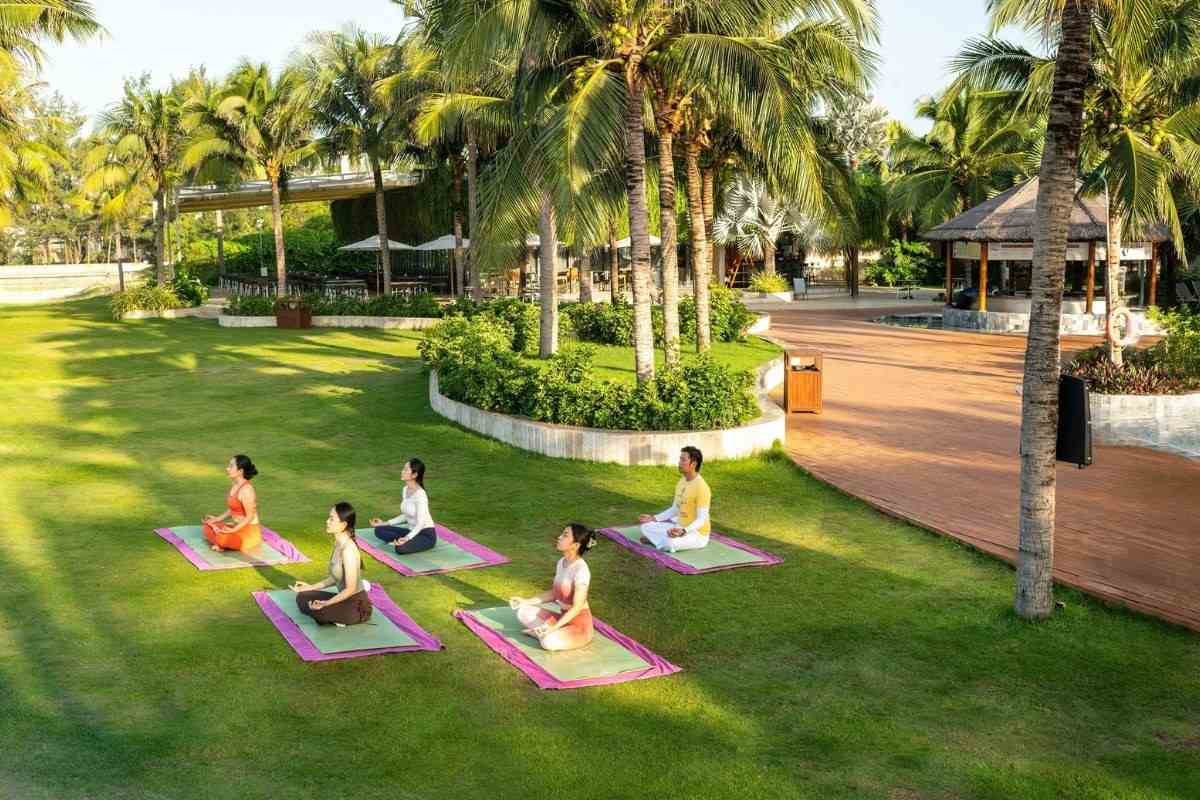
Slow travel in Vietnam
If you have 10 to 14 days, you could combine three destinations, such as Hanoi, Ninh Binh and Hoi An, while allowing several nights in each place.
Travelers who want a deeper wellness experience may prefer a longer stay in one location, particularly if their goal is to establish a daily yoga routine, reduce stress or enjoy a digital detox.
The key is to leave enough free time in your itinerary rather than filling every day with activities.
Is slow travel in Vietnam right for you?
Slow travel is particularly suitable for travelers who enjoy local culture, nature, wellness and meaningful experiences. It can also appeal to couples seeking a relaxing holiday, solo travelers looking for time to reflect and families who prefer a less demanding schedule.
However, if your main goal is to visit as many destinations as possible during a short trip, a traditional sightseeing itinerary may be more suitable.
When planning a slow travel holiday in Vietnam, consider what you want to gain from the experience. You might want to understand local culture, spend more time outdoors or simply enjoy a few days without a packed schedule.
Zen Vacation helps international travelers discover Vietnam through wellness retreats, yoga experiences and thoughtfully designed luxury journeys. Whether you prefer a peaceful countryside escape or a relaxing stay by the sea, a slower approach can help you experience Vietnam in a more personal and rewarding way.
Related articles
.jpg)
What Is Mindful Travel? A Guide to Vietnam
Discover what is mindful travel, its benefits, and how to experience it in Vietnam through nature, local culture, yoga, and wellness retreats.
.jpg)
Wellness Travel and Medical Tourism: Key Differences
Learn the difference between wellness travel and medical tourism, explore real examples, and discover which experience suits your next trip to Vietnam.
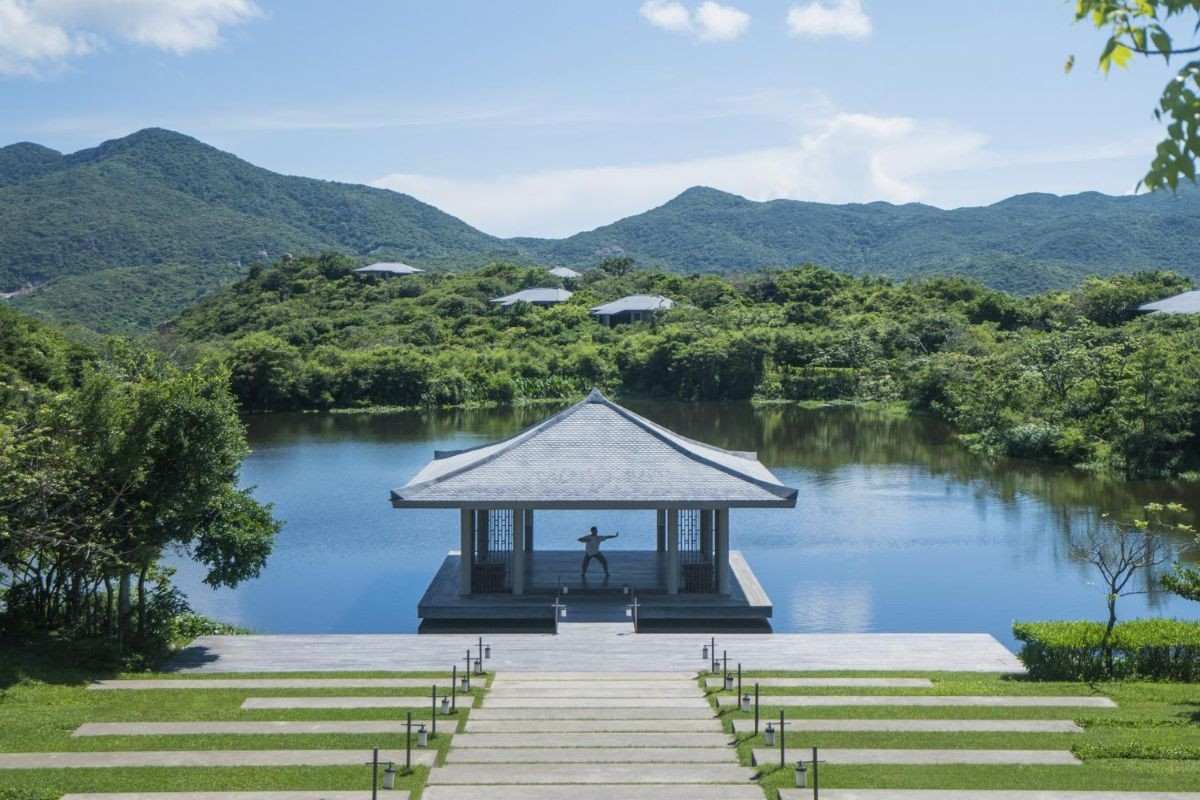
What Is Regenerative Travel? Examples in Vietnam
Discover what is regenerative travel, how it differs from sustainable travel, and explore practical examples of community-based tourism, wellness in Vietnam.