
What Is Regenerative Travel? Examples in Vietnam
Regenerative travel is a way of exploring the world that aims to leave destinations better than they were before. Instead of only reducing the negative effects of tourism, it supports the restoration of nature, strengthens local communities and helps preserve cultural traditions. In Vietnam, this approach can include joining community-led experiences, supporting local producers, learning traditional crafts and choosing travel activities that contribute to environmental conservation.
As more travelers look for meaningful experiences, regenerative travel offers a different way to explore Vietnam. It encourages visitors to think beyond sightseeing and consider how their choices can benefit the places and people they encounter.
What Is Regenerative Travel?
Regenerative travel is an approach to tourism that aims to create positive environmental, social and economic impacts. The goal is not simply to protect existing resources but to help destinations recover, grow and thrive.
For example, choosing a hotel that reduces water consumption is a responsible travel decision. Staying at a property that also supports local employment, sources food from nearby farms and contributes to habitat restoration can create broader benefits for the destination.
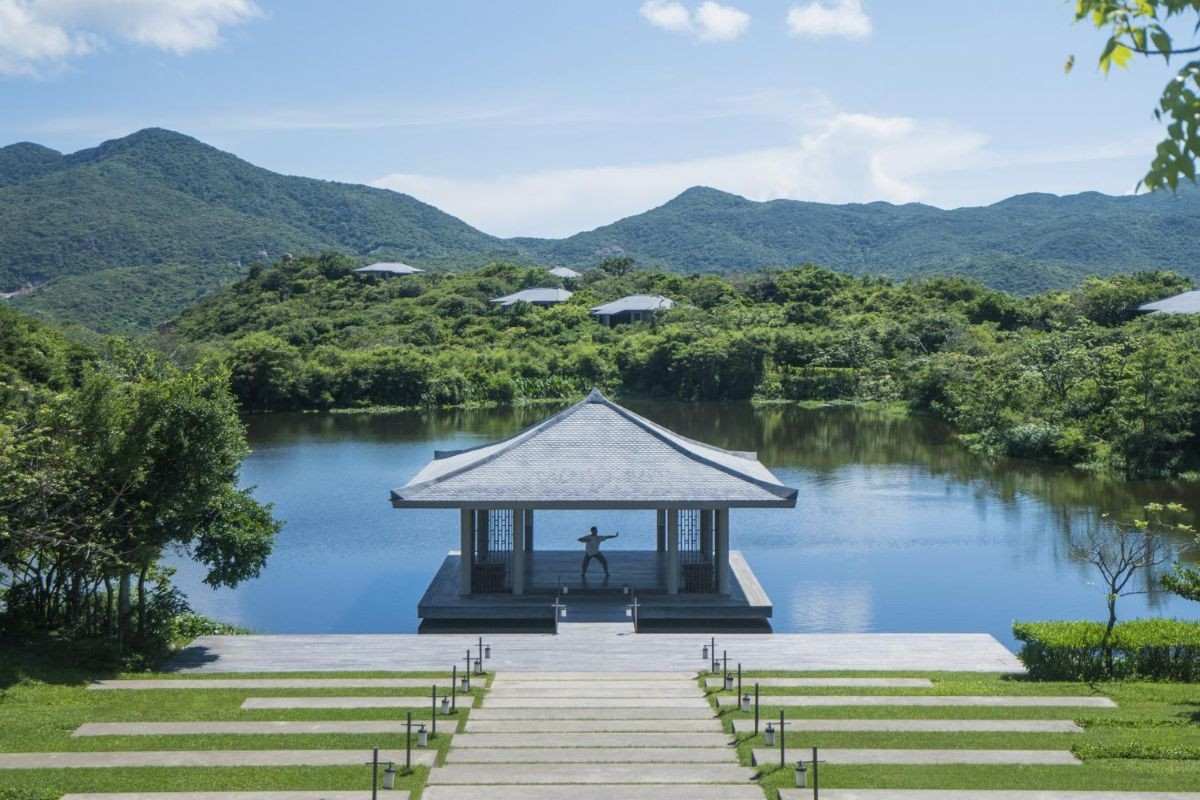
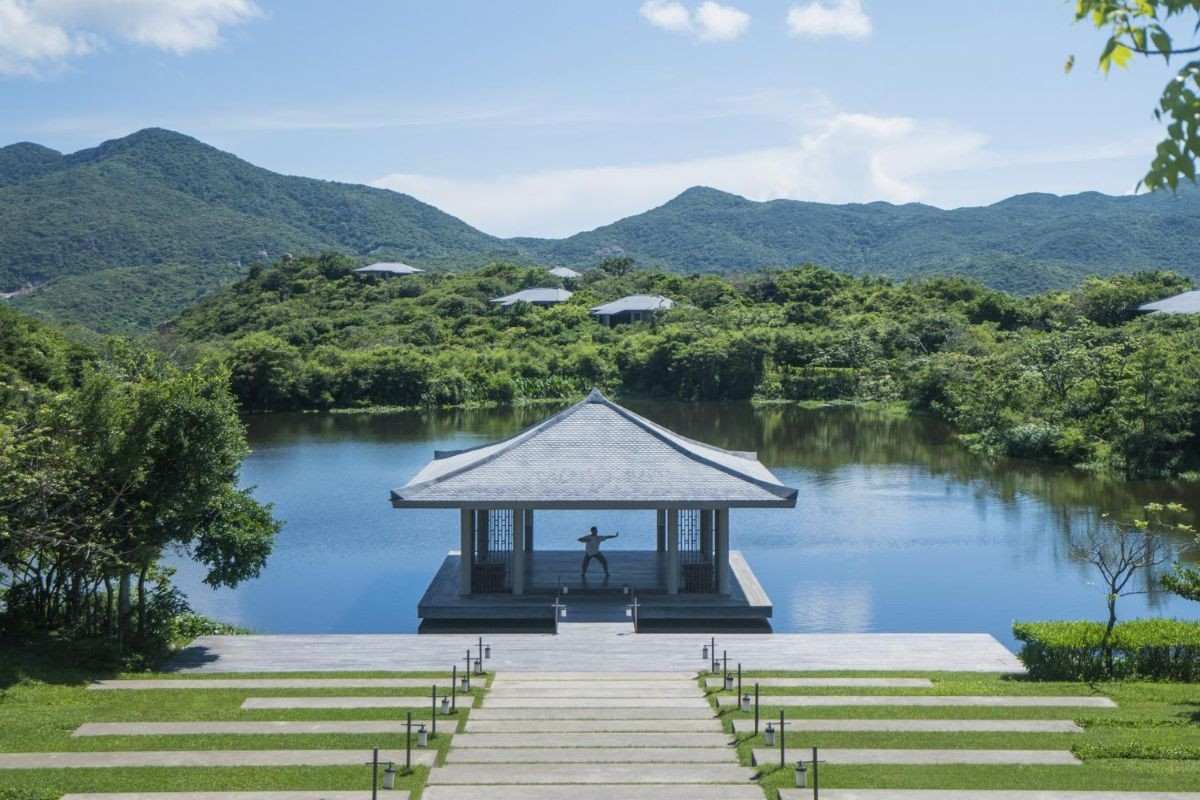
Amanoi Vinh Hy Resort
Regenerative travel can take many forms, including community-based tourism, nature restoration, cultural workshops and wellness journeys connected to local traditions. However, the experience should offer meaningful benefits rather than simply using sustainability as a marketing message.
How Is Regenerative Travel Different from Sustainable Travel?
Sustainable travel focuses on reducing negative impacts and maintaining resources for future generations. Regenerative travel takes this idea further by asking how tourism can actively improve a destination.
Consider a visit to a rural village in northern Vietnam.
A sustainable approach might involve staying in accommodation that manages waste responsibly and uses less plastic. A regenerative approach could also involve choosing a locally managed homestay, joining a traditional cooking class led by residents and purchasing handmade products directly from local artisans.
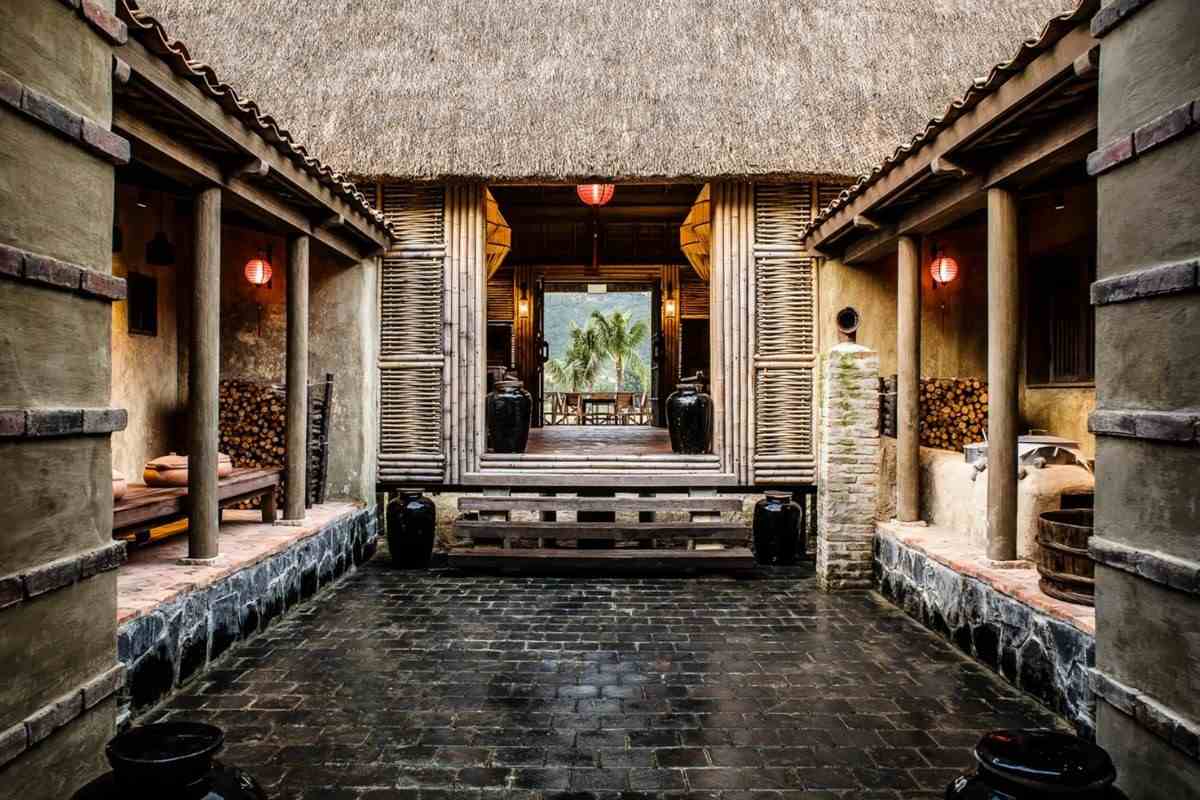
Zannier Bai San Ho Retreat
The difference lies in the broader impact. Tourism becomes an opportunity to support local livelihoods, keep cultural knowledge alive and strengthen the relationship between visitors and host communities.
Not every activity described as regenerative will achieve these outcomes. Travelers should look for clear evidence of local involvement and genuine environmental or community benefits.
Examples of Regenerative Travel Experiences in Vietnam
Vietnam offers several ways for travelers to connect with nature and local communities. The following examples illustrate how regenerative principles can be applied when planning a trip.
1. Supporting local communities in Ninh Binh
Ninh Binh is known for its limestone mountains, rivers and rural landscapes. Beyond visiting popular attractions such as Trang An, travelers can explore the countryside through locally guided activities.
For example, you could join a village cycling tour led by a local guide, visit a family-run workshop or take part in a cooking class using seasonal ingredients from nearby farms.
These experiences can direct more tourism spending toward local households and provide opportunities for residents to share their knowledge and traditions. When choosing an activity, look for operators that involve local people in decision-making and pay them fairly for their work.
2. Learning traditional crafts in Hoi An
Hoi An is famous for its ancient town, but its cultural value also comes from the people who maintain local crafts and traditions.
Instead of buying mass-produced souvenirs, travelers could visit a locally run lantern-making workshop and learn how the craft is practiced. A guided visit to a traditional farming community near Hoi An is another way to understand how local livelihoods connect with the surrounding landscape.
These experiences become more meaningful when artisans receive fair payment and have control over how their skills and cultural heritage are presented to visitors.
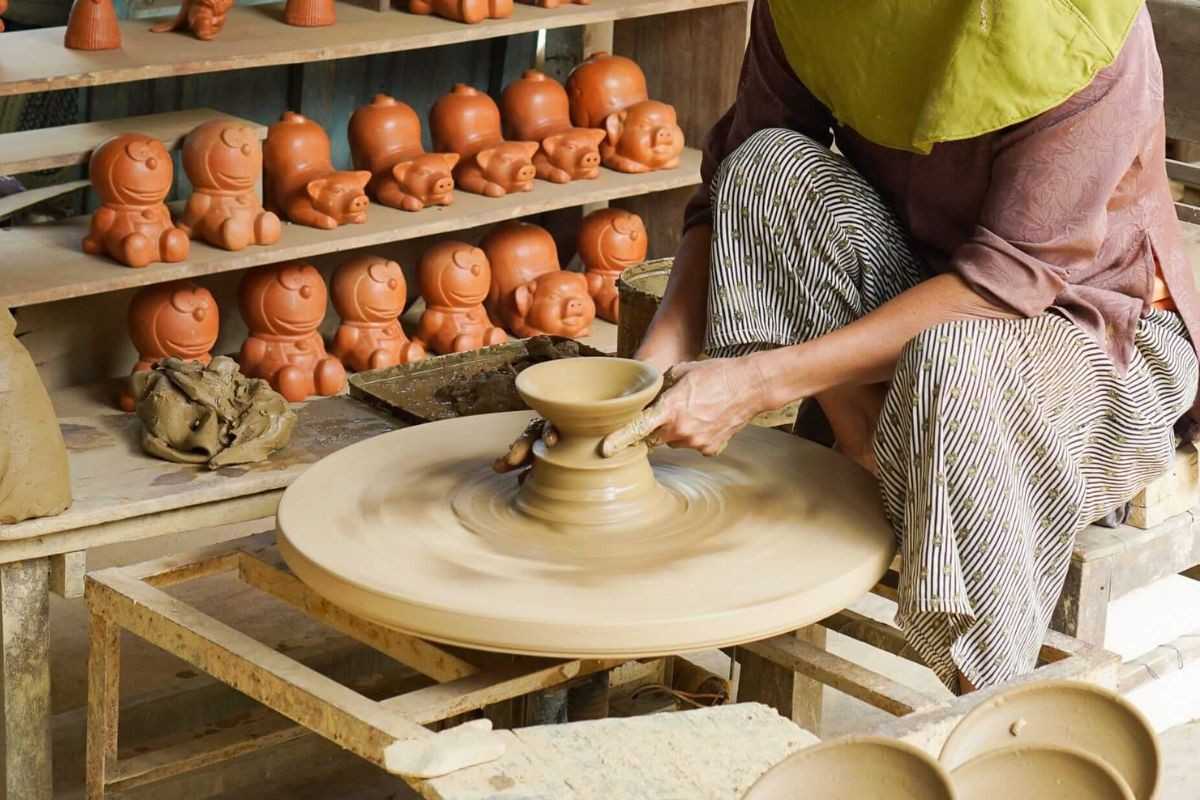
A craft workshop in Hoi An
3. Exploring mangrove conservation in southern Vietnam
Mangrove forests play an important role in coastal ecosystems, providing habitats for wildlife and helping protect shorelines.
In the Mekong Delta, the Women4Mangrove project focuses on mangrove restoration, community livelihoods and women-led economic opportunities in Cù Lao Dung. Its activities include developing mangrove nurseries and linking conservation with community-based tourism.
For travelers, this illustrates how tourism-related activities can connect environmental protection with local economic benefits. If a tour offers a conservation activity, check whether it is organized with qualified local partners and contributes to an established project rather than being a one-off activity designed primarily for photographs.
4. Choosing a wellness retreat that supports its surroundings
Regenerative travel can also be part of a wellness holiday. A retreat is not regenerative simply because it offers yoga, meditation or organic meals. Its wider practices matter, too.
For example, a wellness retreat in Vietnam could source seasonal produce from nearby farms, employ local practitioners, reduce single-use plastics and work with community organizations on conservation or cultural preservation.
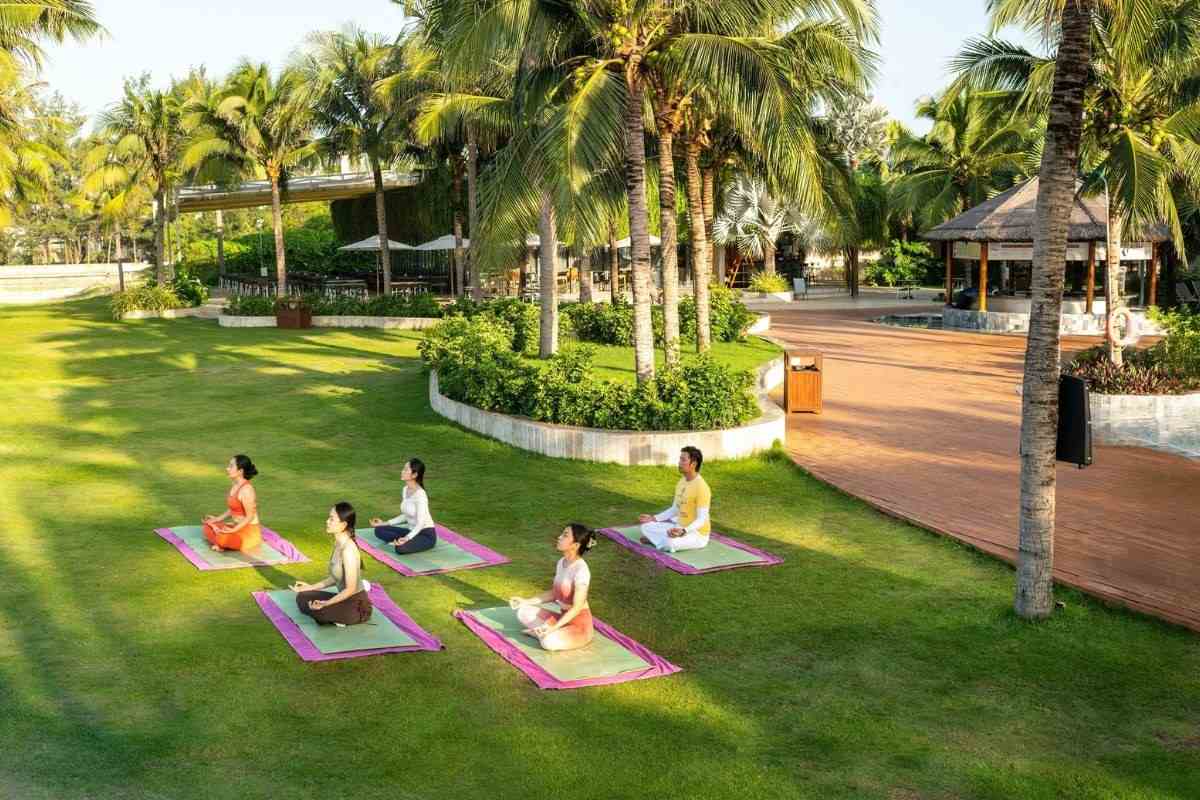
Travelers could combine morning yoga and meditation with a guided nature walk or a visit to a local food producer. This creates an opportunity to relax while learning more about the place they are visiting.
Before booking, ask the retreat how it works with local suppliers, supports employees and contributes to its surrounding community.
How Can You Travel More Regeneratively in Vietnam?
You do not need to join an organized conservation project to make more thoughtful travel choices. Small decisions can help direct tourism spending toward people and businesses that contribute to the destination.
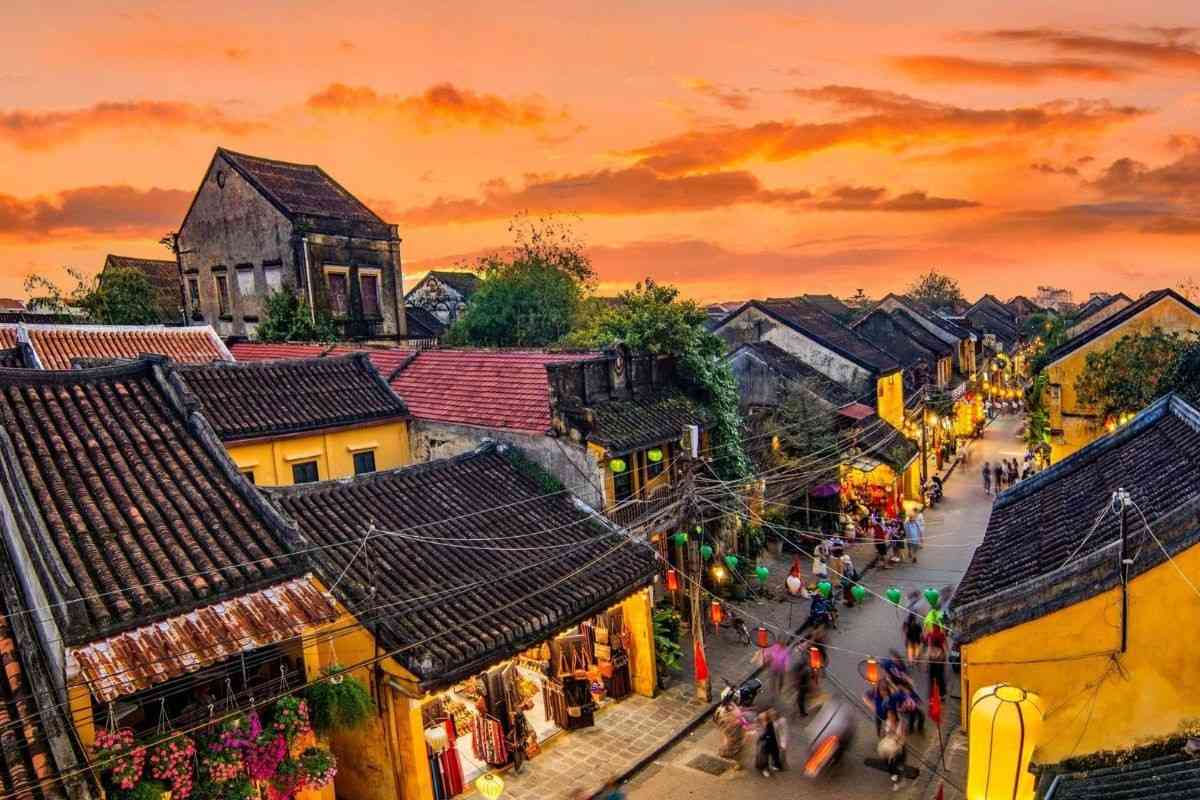
Sunset in Hoi An
Choose locally owned accommodation when it meets your needs, hire local guides, eat at independent restaurants and purchase products directly from their makers. When visiting natural areas, follow designated routes, respect wildlife and avoid activities that disturb habitats.
It is also worth considering how long you stay. Spending three or four nights in one region instead of rushing through several destinations may give you more opportunities to understand local life and support businesses beyond the main tourist attractions.
Most importantly, ask questions before booking. Find out who benefits from the experience, whether local communities are involved and how the operator measures its environmental or social impact.
Is Regenerative Travel Right for You?
Regenerative travel is suitable for travelers who want more than beautiful scenery and memorable photographs. It can appeal to nature lovers, culturally curious visitors, wellness travelers and those who want their holiday spending to create meaningful local benefits.
Vietnam offers many opportunities to explore this approach, from learning traditional crafts in Hoi An to discovering community-based experiences in Ninh Binh and understanding mangrove conservation in the Mekong Delta.
The key is to choose experiences that respect local priorities and provide genuine benefits. Travel can be enjoyable and restorative for visitors while also contributing to the well-being of the destinations that welcome them.
Zen Vacation helps international travelers discover wellness retreats and thoughtfully designed journeys in Vietnam. If you are planning a wellness holiday, explore experiences that combine relaxation, local culture and a deeper connection with the natural surroundings.
Related articles
.jpg)
What Is Mindful Travel? A Guide to Vietnam
Discover what is mindful travel, its benefits, and how to experience it in Vietnam through nature, local culture, yoga, and wellness retreats.
.jpg)
Wellness Travel and Medical Tourism: Key Differences
Learn the difference between wellness travel and medical tourism, explore real examples, and discover which experience suits your next trip to Vietnam.
What Is Slow Travel? A Guide to Vietnam
Discover what is slow travel means and how to experience Vietnam at a slower pace through local culture, nature, wellness retreats and relaxing stays.