
.jpg)
Wellness Travel and Medical Tourism: Key Differences
Travel is no longer just about sightseeing. Many international travelers now visit other countries to improve their well-being, reduce stress, or receive medical treatment at a more affordable cost. Two terms often appear in this context: wellness travel and medical tourism.
Although both involve traveling for health-related reasons, they serve different purposes. Wellness travel focuses on maintaining or improving overall well-being, while medical tourism involves seeking medical care, treatment, or procedures abroad. Understanding the difference can help you choose the right experience for your next trip to Vietnam.
What Is Wellness Travel?
Wellness travel refers to trips designed to support physical, mental, and emotional well-being. Instead of focusing on treating a specific medical condition, travelers usually take part in activities that help them relax, restore energy, and develop healthier habits.
Common wellness travel experiences include yoga retreats, meditation sessions, spa treatments, nature-based activities, healthy meals, and digital detox programs.

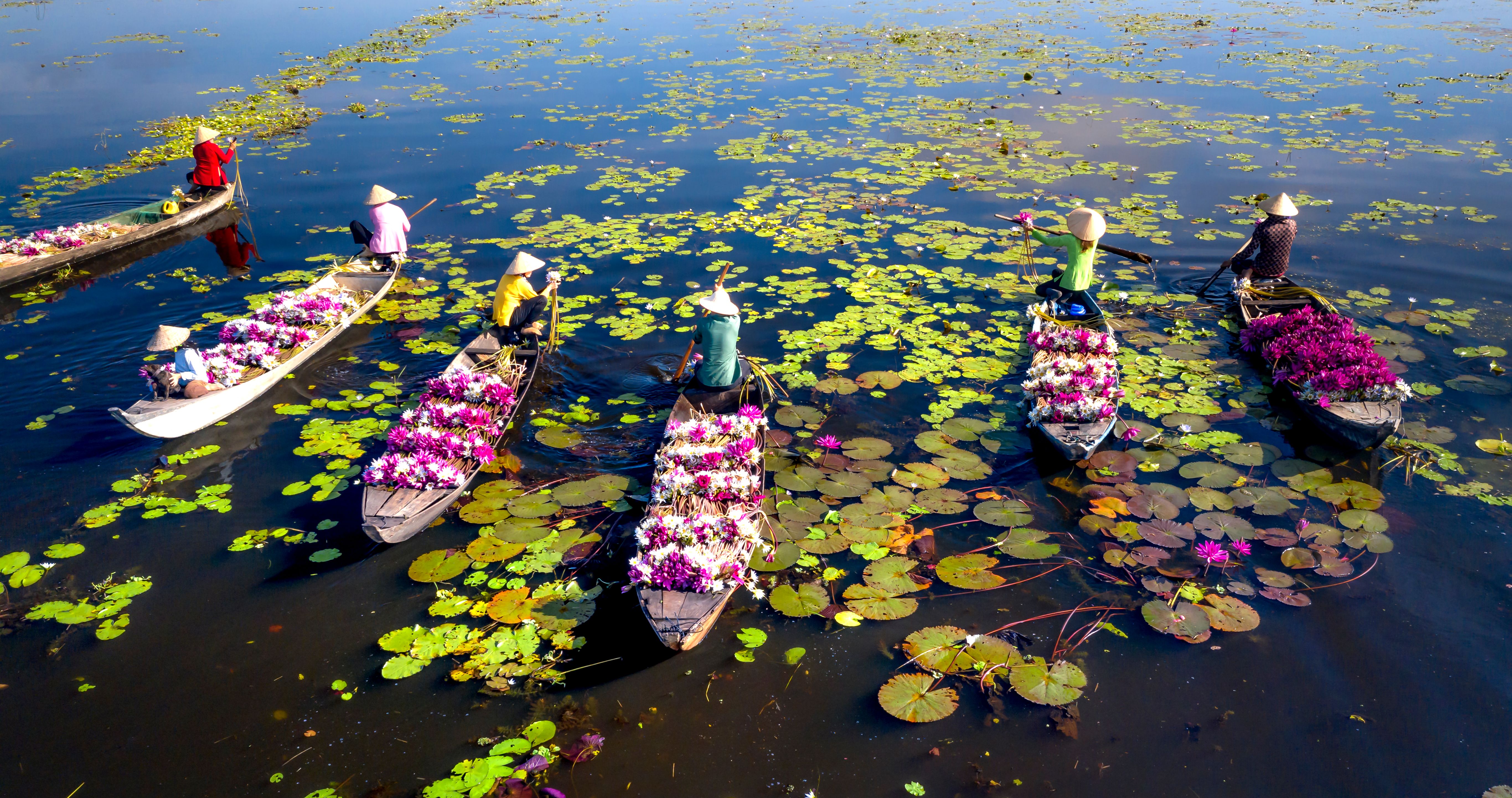
Wellness travel in Vietnam
For example, a traveler from Australia who spends five days at a wellness retreat in Vietnam might begin each morning with yoga, enjoy nutritious meals, receive traditional massage treatments, and spend afternoons walking through the countryside. The goal is to return home feeling more relaxed and refreshed.
Vietnam offers several settings for this type of holiday. Da Nang is suitable for travelers who want to combine beachfront relaxation with yoga and spa experiences. Meanwhile, Ninh Binh offers a quieter natural environment for those who prefer countryside views, gentle outdoor activities, and a slower pace of life.
Wellness travel is generally suitable for people who want to manage everyday stress, improve their lifestyle, or take a break from busy routines. It does not necessarily require a medical diagnosis or a specific health concern.
What Is Medical Tourism?
Medical tourism involves traveling to another country to receive medical services. These may include surgery, dental care, fertility treatment, cosmetic procedures, specialist consultations, or other forms of clinical treatment.
The main purpose is to access a particular medical service, whether because of cost differences, shorter waiting times, specialist expertise, or the availability of a specific procedure.
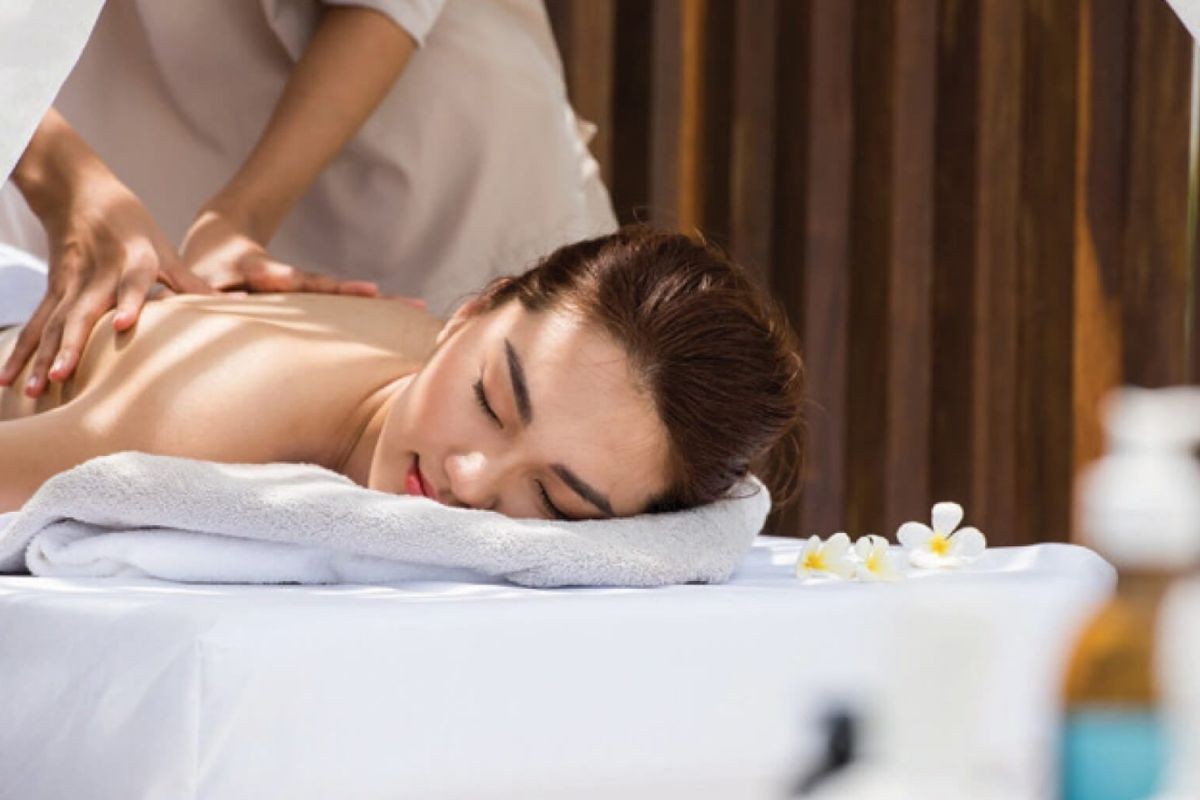
Medical tourism in Vietnam
For example, an international traveler may visit Vietnam for dental implants or other dental procedures after researching qualified clinics, treatment costs, and recovery arrangements. In this case, the trip is organized primarily around receiving medical care rather than enjoying a wellness holiday.
Medical tourism usually requires more detailed planning. Travelers may need medical records, consultations with licensed professionals, treatment schedules, and follow-up appointments. Recovery time can also affect how much sightseeing or leisure activity is possible during the trip.
Unlike a typical wellness retreat, medical tourism involves clinical decisions and potential medical risks. Travelers should check the qualifications of healthcare providers, understand the possible complications, and arrange appropriate aftercare before booking treatment abroad.
What Is the Difference Between Wellness Travel and Medical Tourism?
The main difference lies in the purpose of the trip and the type of services involved.
1. Purpose of travel
Wellness travel aims to improve general well-being, support relaxation, and encourage healthier habits. Medical tourism focuses on receiving medical treatment or healthcare services.
For instance, joining a yoga retreat in Vietnam to reduce work-related stress is wellness travel. Traveling to Vietnam specifically for a surgical procedure is medical tourism.
2. Types of activities and services
Wellness travel may include yoga, meditation, spa treatments, healthy cuisine, nature walks, and mindfulness workshops. These activities are often designed to support relaxation and general well-being.
Medical tourism involves services such as dental surgery, medical consultations, diagnostic tests, and other clinical procedures provided by qualified healthcare professionals.
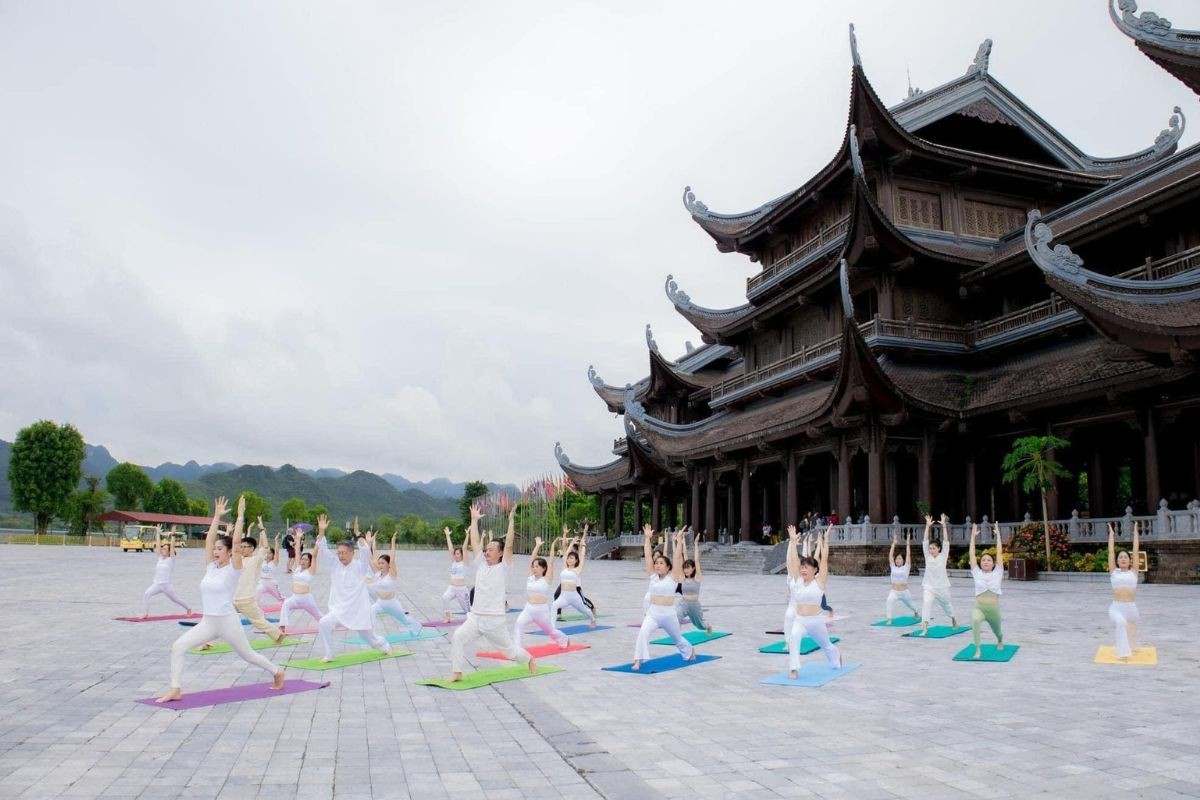
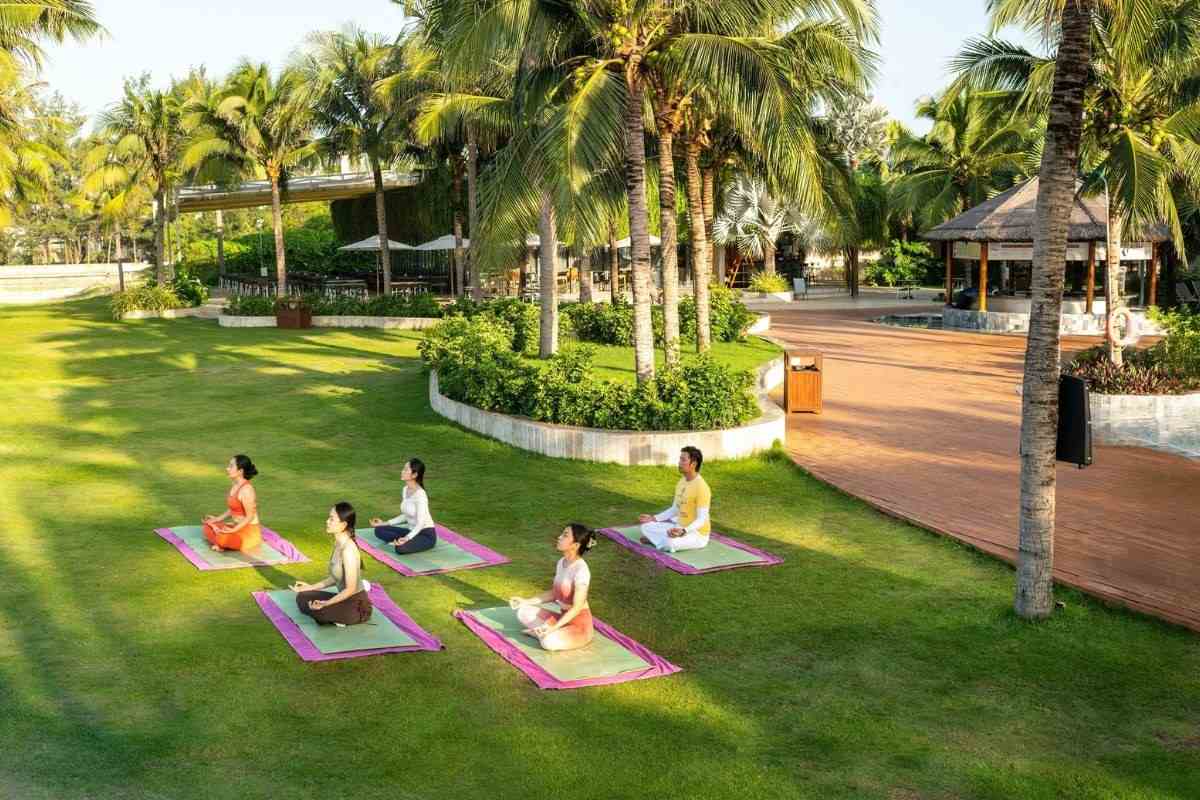
Yoga in Vietnam
Some experiences may overlap. For example, a wellness resort might offer massage and relaxation programs alongside services provided by healthcare professionals. However, the presence of wellness activities does not make a medical procedure a wellness experience.
3. Planning and professional support
Wellness travelers typically choose a destination based on the atmosphere, available activities, accommodation, and personal preferences. A retreat may offer a flexible schedule that balances guided sessions with free time.
Medical tourists need to prioritize the suitability and safety of treatment. They may need to coordinate appointments, medical assessments, recovery arrangements, and follow-up care before confirming their travel plans.
4. Expected outcomes
Wellness travel aims to help travelers feel more balanced, relaxed, or energized. Results vary depending on individual needs and the activities involved.
Medical tourism aims to address a specific healthcare need, although treatment outcomes depend on the procedure, the patient's condition, and other medical factors.
Can You Combine Wellness Travel and Medical Tourism in Vietnam?
Yes. Some travelers combine healthcare appointments with relaxation or wellness activities, provided their medical team confirms that the additional activities are appropriate.
For example, a traveler visiting Vietnam for dental treatment might plan a few extra days for gentle sightseeing, healthy meals, or a relaxing stay after receiving medical clearance. Someone who has completed an appropriate medical treatment may also choose a wellness retreat as part of a broader holiday.

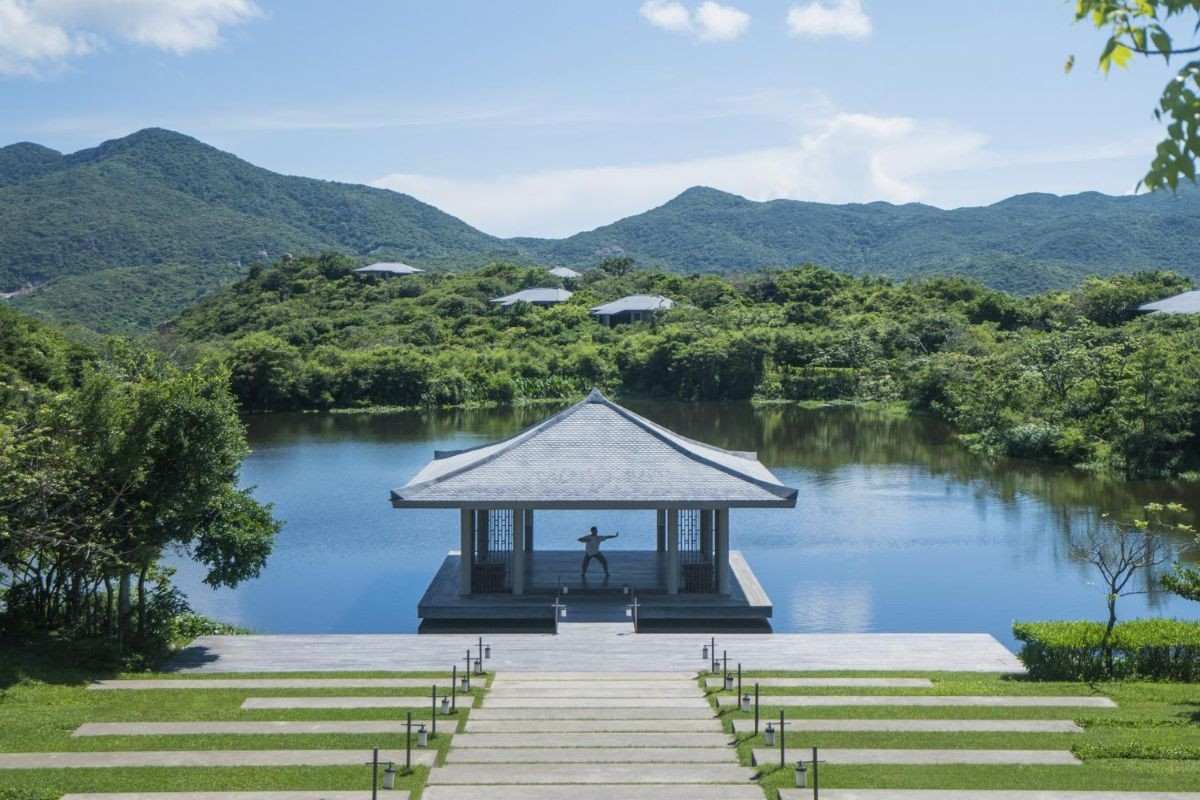
A beach resort in Vietnam
However, the order and timing matter. Activities such as yoga, swimming, massage, or long-distance travel may be unsuitable immediately after certain procedures. Always follow your healthcare provider's advice rather than assuming that a retreat will support recovery.
If your main goal is to escape daily stress and reconnect with yourself, a dedicated wellness retreat may be the better choice. If you need a specific medical procedure, prioritize qualified healthcare providers and proper aftercare before adding leisure activities.
Which Experience Is Right for You?
The right choice depends on what you want to achieve during your trip.
Choose wellness travel if you want to relax, explore healthier routines, practice yoga, or enjoy a slower holiday surrounded by nature. Vietnam's beaches, countryside, and growing range of wellness experiences make it worth considering for this type of journey.
Choose medical tourism if you need a particular treatment, procedure, or specialist healthcare service. Research the provider carefully and make sure you understand the costs, risks, and follow-up arrangements.
If you want a holiday that places well-being at the center of the experience, Zen Vacation can help you explore wellness retreats and restorative journeys in Vietnam. From peaceful natural settings to thoughtfully planned wellness experiences, the right itinerary can give you time to slow down and enjoy a more meaningful way to travel.
Related articles
.jpg)
What Is Mindful Travel? A Guide to Vietnam
Discover what is mindful travel, its benefits, and how to experience it in Vietnam through nature, local culture, yoga, and wellness retreats.
What Is Regenerative Travel? Examples in Vietnam
Discover what is regenerative travel, how it differs from sustainable travel, and explore practical examples of community-based tourism, wellness in Vietnam.
What Is Slow Travel? A Guide to Vietnam
Discover what is slow travel means and how to experience Vietnam at a slower pace through local culture, nature, wellness retreats and relaxing stays.