.jpg)
How to Plan a Wellness Retreat in Vietnam: A Complete Guide
Planning a wellness retreat in Vietnam requires more than choosing a beautiful resort. You need to consider the destination, type of wellness experience, length of stay, accommodation and activities that match your personal goals.
Vietnam is becoming an appealing destination for wellness travel thanks to its diverse natural landscapes, traditional healing practices, yoga retreats and luxury resorts. From peaceful mountain hideaways in Ninh Binh to beachfront wellness resorts in Da Nang and tropical escapes in Phu Quoc, travelers can find different ways to relax and reconnect with themselves.
If you are wondering how to plan a wellness retreat in Vietnam, here are the essential steps to help you create a rewarding and comfortable journey.
1. Define your wellness goals
Before choosing a destination, think about what you want to achieve during your retreat. Wellness travel can mean different things depending on your lifestyle, interests and personal needs.
Some travelers want to reduce stress and take a break from busy working schedules. Others may be interested in improving their physical health through yoga, meditation and outdoor activities.
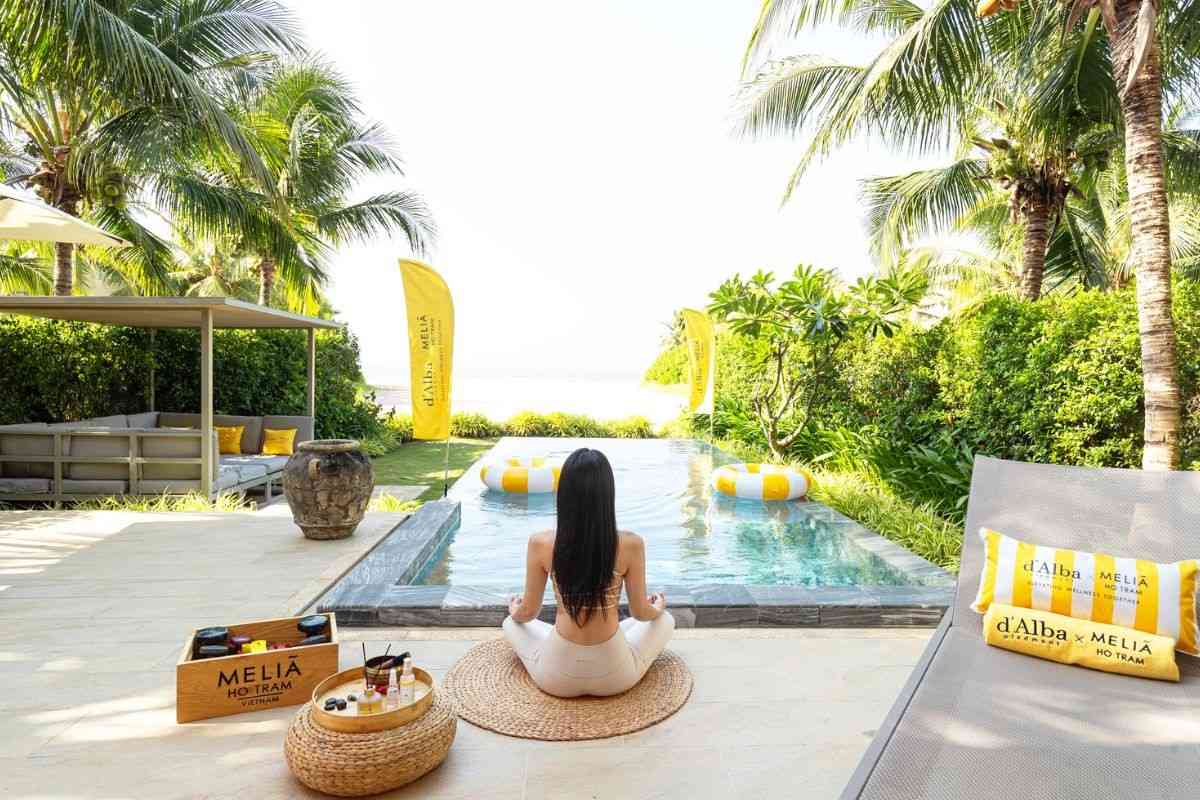
How to plan a wellness retreat in Vietnam
Common wellness retreat goals include:
- Stress relief: Relaxation, meditation, spa treatments and time away from digital devices.
- Physical wellness: Yoga, Pilates, swimming, hiking and healthy daily routines.
- Mental balance: Mindfulness, breathing exercises and meditation sessions.
- Healthy lifestyle: Nutritious meals, traditional therapies and better sleep habits.
- Luxury relaxation: Private villas, personalized spa treatments and peaceful surroundings.
For example, if you spend most of your time working in a busy city, a retreat with daily yoga, meditation and spa treatments may be more suitable than an itinerary filled with sightseeing activities.
2. Choose the right destination in Vietnam
Vietnam offers several destinations for wellness retreats, each with a different atmosphere and range of experiences. Your choice should depend on whether you prefer mountains, countryside, beaches or tropical surroundings.
Ninh Binh: For nature and peaceful retreats
Ninh Binh is a suitable choice for travelers who want to escape crowded cities and spend more time in nature. Surrounded by limestone mountains, rice fields and rivers, the region offers a peaceful setting for yoga, meditation and slow travel.
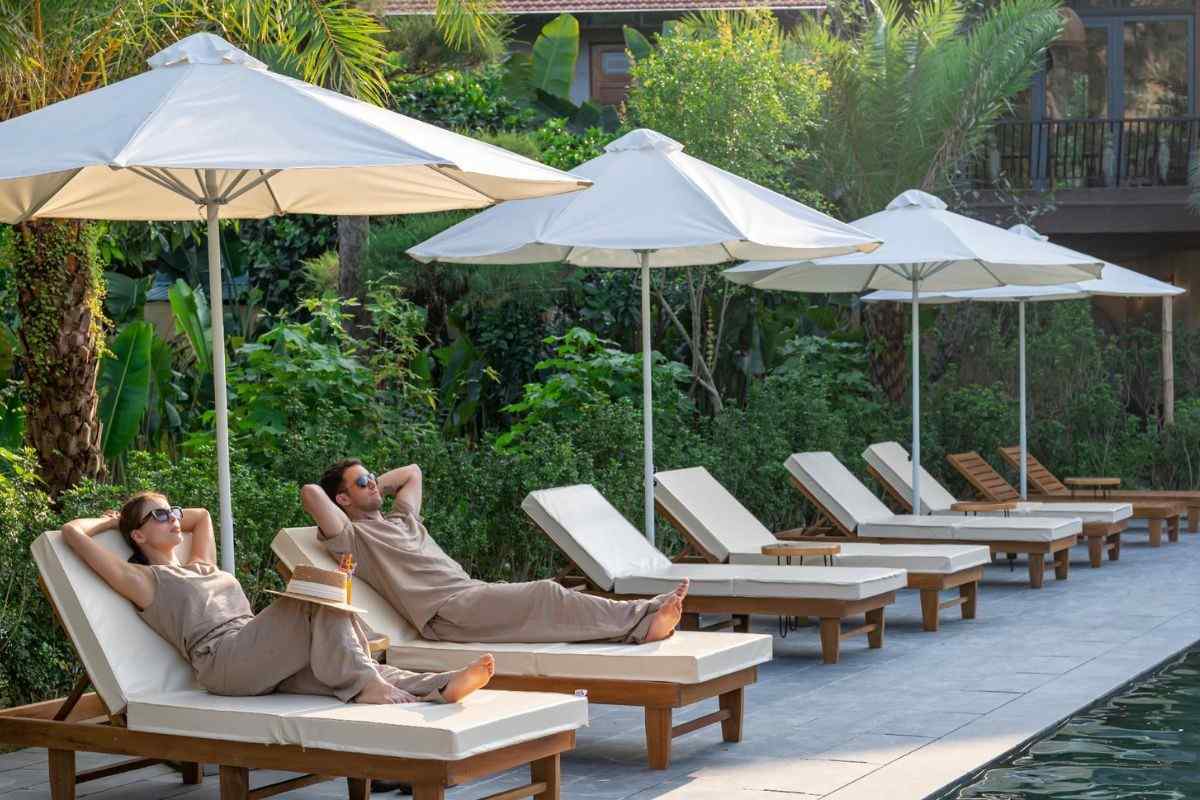
Wellness retreat in Ninh Binh
You can combine morning yoga with a boat trip through Trang An or a countryside cycling experience around Tam Coc. The best approach is to keep sightseeing light so you still have enough time to relax.
Da Nang: For beachfront wellness experiences
Da Nang is a good option for travelers who want to combine wellness activities with a comfortable beach holiday. Many upscale resorts offer spa services, swimming pools, fitness facilities and access to the coastline.
A typical day might include sunrise yoga by the beach, a healthy breakfast, an afternoon spa treatment and a relaxing evening by the sea.
Phu Quoc: For tropical luxury retreats
Phu Quoc is ideal for travelers looking for a tropical wellness escape. The island offers beautiful beaches, luxury resorts and opportunities to enjoy outdoor activities.
You can spend your mornings swimming or practicing yoga, then enjoy spa treatments and fresh seafood in the evening. It is particularly suitable for couples and travelers who want privacy and comfort.
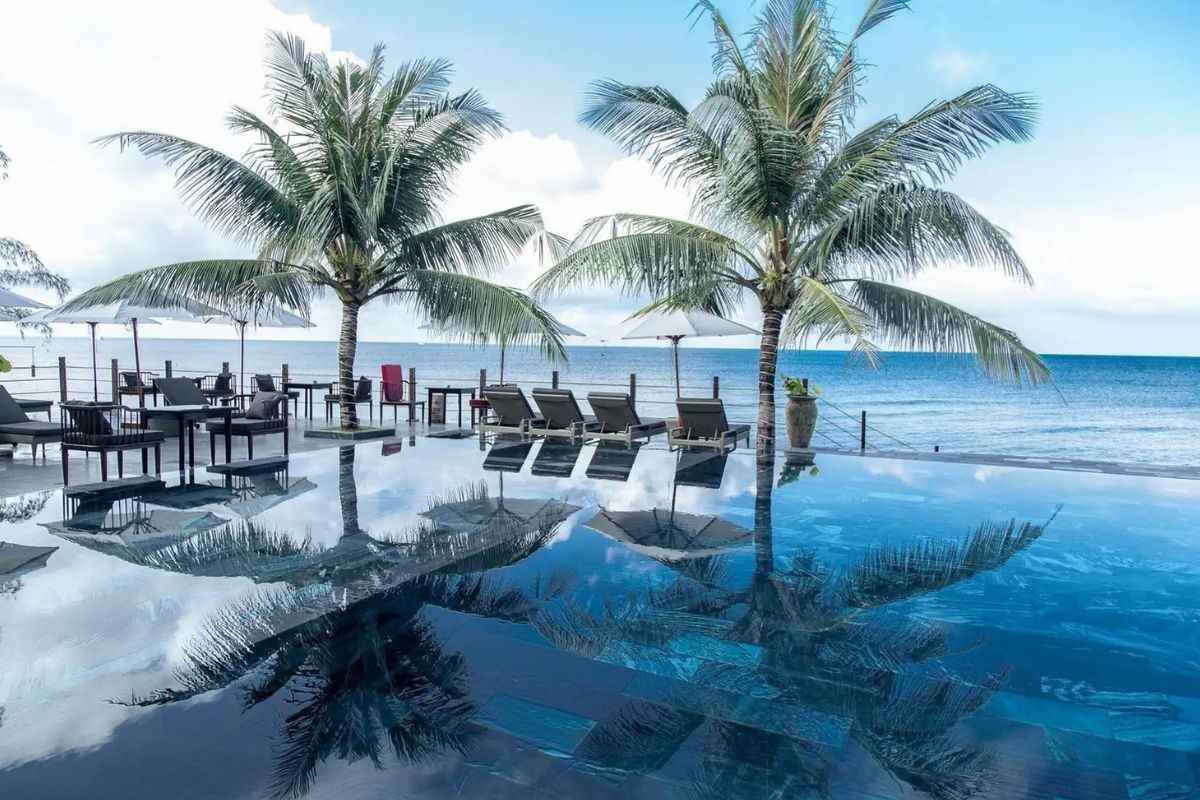
Wellness retreat in Phu Quoc
3. Choose the best time to visit Vietnam
Weather plays an important role when planning a wellness retreat, especially if you want to spend time outdoors, practice yoga or enjoy beach activities.
Vietnam has different climate patterns across its three main regions. Therefore, the best time for a wellness retreat depends on your chosen destination.
Here is a general guide:
- Northern Vietnam (October to April): A good period to explore Ninh Binh, Hanoi and mountain destinations. March to April offers relatively pleasant conditions for outdoor activities.
- Central Vietnam (February to August): Generally suitable for beachfront retreats in Da Nang and Hoi An, with warmer and drier weather during much of this period.
- Southern Vietnam (December to April): The dry season is a comfortable time to visit Phu Quoc and enjoy outdoor wellness activities.
For example, if you are planning a yoga retreat in Da Nang, March or April can be a good choice for morning beach sessions and outdoor relaxation. Meanwhile, December to February is worth considering for a tropical retreat in Phu Quoc.
4. Decide how long your wellness retreat should be
The length of your retreat will influence how much you can experience and how much time you have to rest.
For international travelers visiting Vietnam, a stay of 3 to 7 days is a practical starting point.
Here are our some suggestions based on different travel preferences:
3 days: A short wellness escape
A three-day retreat is suitable for travelers who want a short break during a longer Vietnam holiday. You can focus on simple activities such as morning yoga, spa treatments, healthy meals and meditation.
For example, a couple staying at a beachfront resort in Da Nang could spend three days enjoying yoga sessions, swimming and traditional Vietnamese spa treatments without following a busy sightseeing schedule.
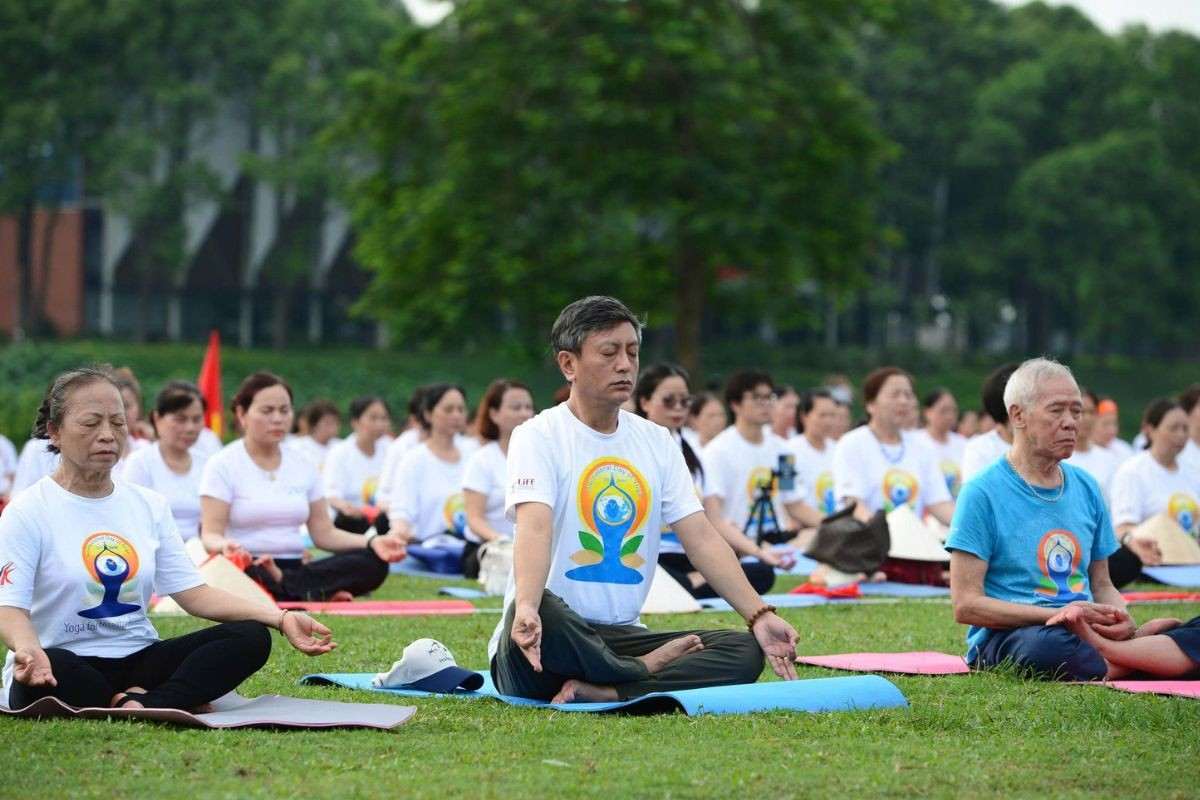
3-day wellness Retreat in Vietnam
5 days: A balanced wellness experience
Five days gives you more time to establish a relaxing routine. You can combine yoga, meditation, massage treatments and light outdoor activities.
A five-day stay in Ninh Binh, for instance, could include morning meditation, countryside cycling, a boat trip through Trang An and an afternoon reserved for relaxation.
7 days or longer: A deeper retreat experience
If your main purpose is to improve your lifestyle or take a complete break from daily routines, consider staying for a week or longer.
This gives you enough time to enjoy different wellness activities without feeling rushed. You can also explore personalized programs that include yoga, mindfulness, nutrition and spa therapies.
One common mistake when planning a wellness retreat is scheduling too many activities. A retreat should give you time to slow down rather than create another busy travel itinerary.
A balanced daily schedule can include a few structured activities alongside plenty of free time.
Here is an example of a three-day wellness retreat in Vietnam:
|
Day |
Morning |
Afternoon |
Evening |
|
Day 1 |
Arrival and light stretching |
Spa treatment and relaxation |
Healthy dinner |
|
Day 2 |
Sunrise yoga and meditation |
Nature walk or cycling |
Mindfulness session |
|
Day 3 |
Gentle yoga and breathing exercises |
Leisure time and check-out |
Departure |
Planning a wellness retreat in Vietnam becomes easier when you start with your personal goals and choose experiences that genuinely match your expectations.
Whether you prefer a peaceful escape among the limestone mountains of Ninh Binh, a beachfront yoga holiday in Da Nang or a private tropical retreat in Phu Quoc, Vietnam offers different settings for relaxation and personal well-being.
If you are looking for a more personalized experience, Zen Vacation can help you explore wellness retreats and luxury journeys in Vietnam. From yoga and relaxation to nature-based escapes and tailored travel experiences, each journey can be designed around your interests, preferred pace and wellness goals.
Contact Zen Vacation to start planning your wellness retreat in Vietnam.
Related articles
.jpg)
How to Plan a Wellness Holiday in Vietnam
Learn how to plan a wellness holiday in Vietnam, from choosing yoga retreats and luxury resorts to destinations, activities and travel tips.
.jpg)
Is Wellness Travel in Vietnam Expensive? A Cost Guide
Is wellness travel in Vietnam expensive? Explore retreat costs, yoga, spa treatments and luxury wellness resorts to plan your ideal holiday.
.jpg)
Is Wellness Travel in Vietnam Affordable? Costs & Tips
Is wellness travel in Vietnam affordable? Discover the costs of yoga retreats, spa treatments, wellness resorts and luxury escapes, with practical tips.